What Dolphins Are In Western Australia?
The dolphins of Western Australia's west coast: the Indo-Pacific bottlenose communities of Perth waters, the Bunbury resident group, and what each swim and cruise actually encounters.
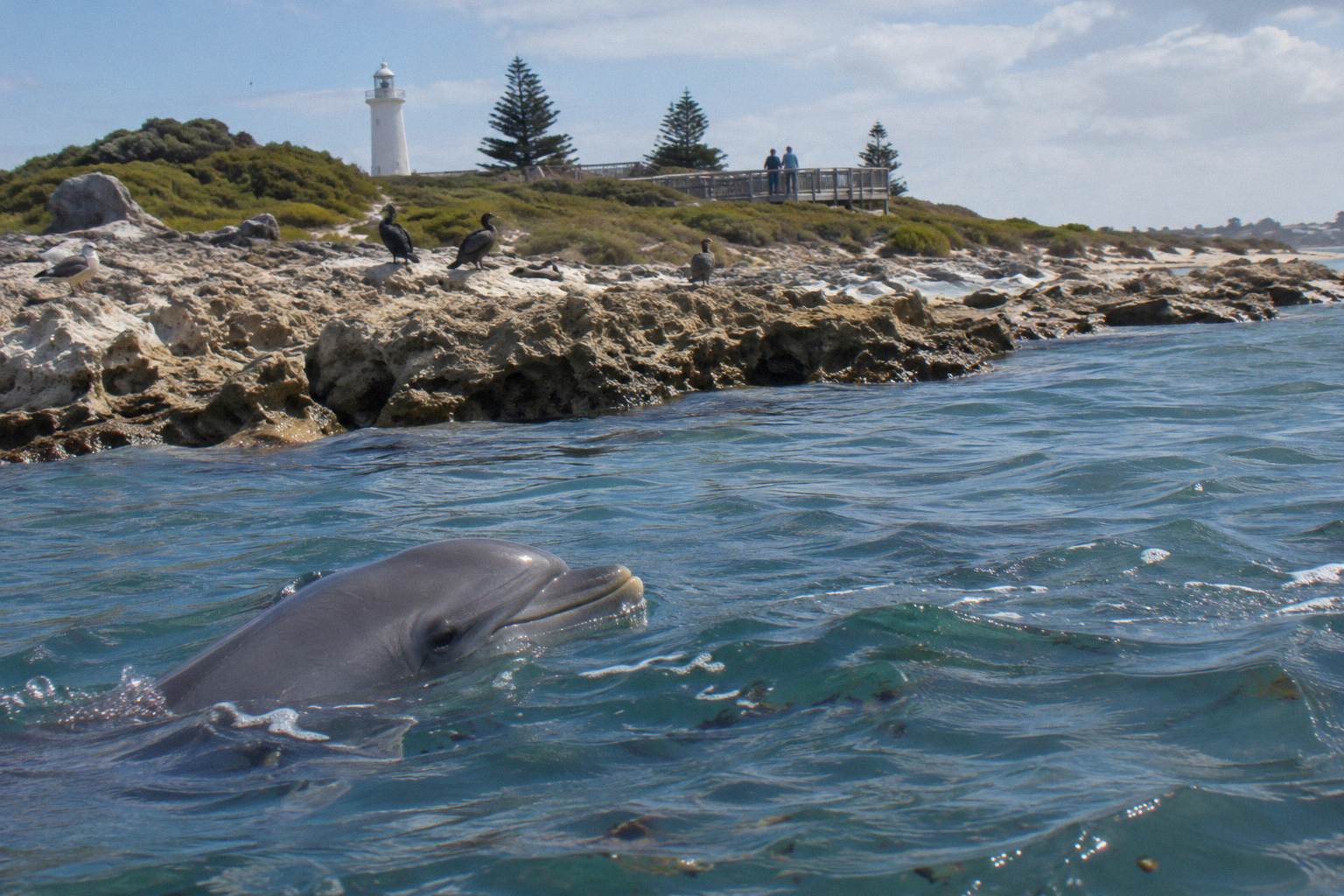
The short answer is Indo-Pacific bottlenose dolphins, Tursiops aduncus, along the metropolitan coast from Perth through Rockingham and down to Bunbury. Murdoch University research published in Frontiers in Marine Science, led by Dr Delphine Chabanne, identified four discrete communities of the species in Perth metro waters alone: Cockburn Sound, the Swan Canning Riverpark, Owen Anchorage and Gage Roads. That finding reshapes how a swim or a cruise should be understood: the dolphins off one beach belong to a different community from the dolphins off the next, even when the animals look identical.
The practical stakes are real. A reader choosing between the Rockingham Wild Dolphin Swim, from A$249.72 per person, and a watching cruise is choosing between two different encounters with the same species, run in different waters. Knowing which animals live where, and what the operators themselves say about them, makes the choice much easier.
The dolphins you are likely to meet on a Perth-area swim or cruise are Indo-Pacific bottlenose dolphins, Tursiops aduncus, according to Murdoch University research on the metropolitan waters. The same research identified four discrete communities in those waters: Cockburn Sound, the Swan Canning Riverpark, Owen Anchorage and Gage Roads. No official dolphin count exists for Rockingham or Shoalwater on any operator or official page, so any specific number for those waters would be invented rather than reported.
The species name matters more than it first appears. Indo-Pacific bottlenose dolphins are a distinct species from the common bottlenose dolphin of other oceans, and the Murdoch study, reported in the university's own coverage of the findings, is the primary published work naming the communities of the Perth metro area. The research is described at Murdoch University's article on Perth's distinct dolphin communities, which notes that each community needs different protections because they do not simply mix into one population.
A reader curious about which dolphins they will meet is weighing a swim, and the answer splits into two parts. The species is settled: Indo-Pacific bottlenose. The specific community a given tour encounters is not stated by any operator, and Rockingham's Shoalwater side sits beside Cockburn Sound without any operator or research claim that the swim dolphins are the Cockburn Sound community. Holding those two facts apart is the difference between an accurate answer and a confident guess.
Beyond the metropolitan waters, the Dolphin Discovery Centre in Bunbury reports on its own research page that its Koombana Bay resident group averages about 50 animals, with another 100 or more visiting through the year. That statement belongs to Bunbury and the Centre alone, and no equivalent figure exists for Rockingham on any operator or official page.
For anyone planning around the animals rather than the paperwork, the decision points look like this:
| Question you are asking | Where the answer sits | What is stated |
|---|---|---|
| Which species? | Murdoch University research | Indo-Pacific bottlenose (Tursiops aduncus) |
| Which community near Rockingham? | Not stated | Ask the operator; research names four metro communities |
| How many dolphins near Rockingham? | Not stated | No count published |
| How many at Bunbury? | Dolphin Discovery Centre | About 50 resident, 100 or more visiting, the Centre's statement |
Whether the goal is getting in the water or watching from a deck, the tours covered here split the same species into different experiences:
The Rockingham Wild Dolphin Swim and the Bunbury Wild Dolphin Swim are the two in-water products; the Penguin Island And Dolphin Cruise, the Mandurah Dolphin Cruise and the Mandurah Giants And Dolphin Cruise are watching only. That distinction comes from the tour categories themselves, and no cruise on that list offers a swim.
The Four Dolphin Communities Of Perth Waters
Murdoch University's research names four discrete Indo-Pacific bottlenose communities in Perth metro waters: Cockburn Sound, the Swan Canning Riverpark, Owen Anchorage and Gage Roads. Discrete means the communities are separate from one another, each needing different protections, as the university's coverage of the findings puts it. The research does not assign the Rockingham swim's dolphins to the Cockburn Sound community, and nothing the operators publish does.
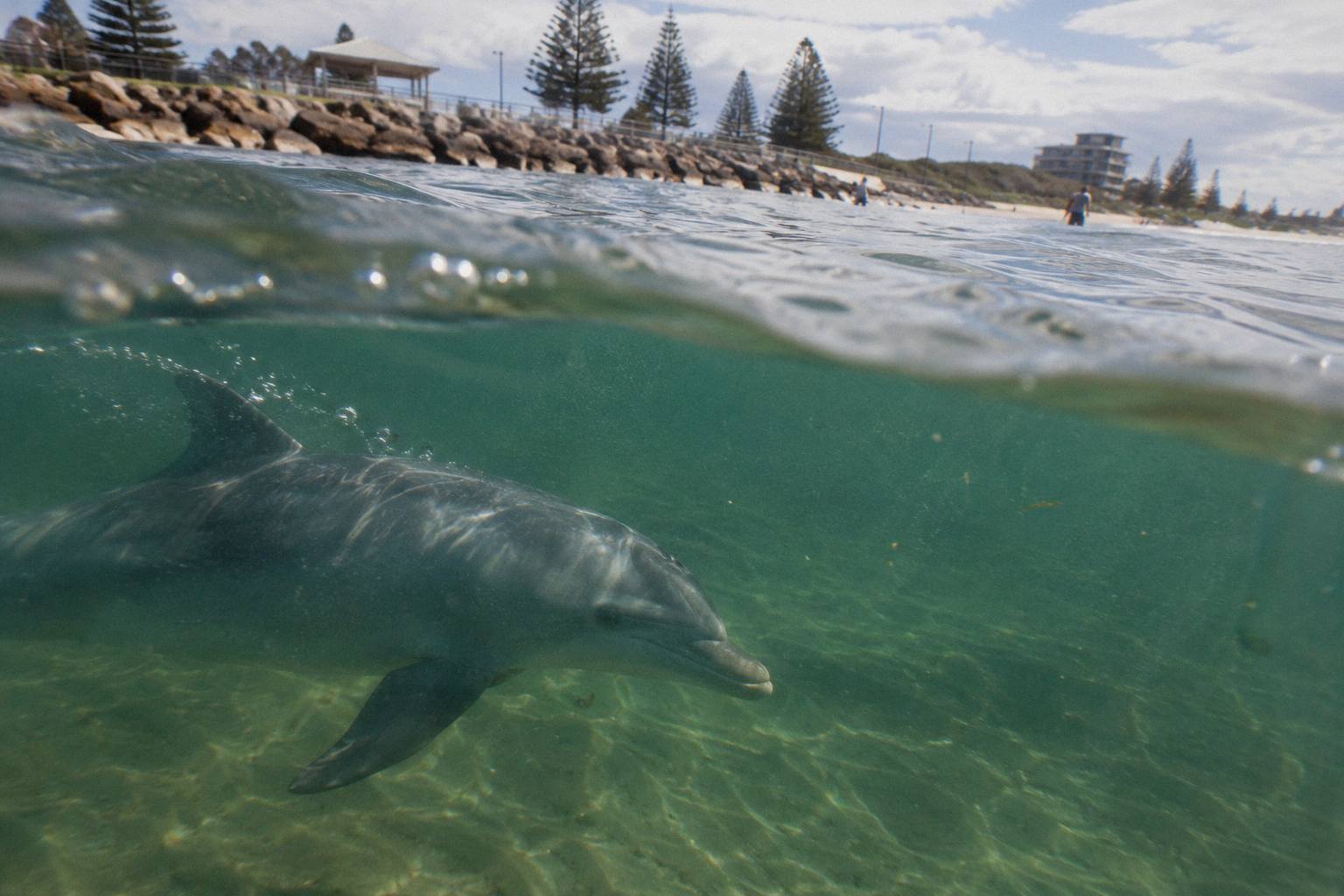
The geography is worth slowing down on. Cockburn Sound is the large body of water on the southern side of the metropolitan coast, and Rockingham sits on its western shore, with the Shoalwater side facing the islands of the marine park. Proximity is not identity: the Murdoch findings describe four communities occupying these waters, and the study's point is that a dolphin frequenting the Swan Canning Riverpark is part of a different community from one frequenting Cockburn Sound. Whether a given swim cruise encounters animals that researchers would class as the Cockburn Sound community is not stated anywhere in the operator's material or the research summary.
That gap is worth respecting rather than papering over. A tour description can say dolphins are found in these waters, which they are, and a research paper can say which communities exist in the metropolitan area, which it does. The bridge between the two, a statement that a specific cruise interacts with a specific named community, does not exist on any operator or official page, so it cannot be shown here. Anyone who wants that level of detail can ask the operator directly, and the what-to-ask checklist further down suggests how.
For a reader comparing places, the four communities also explain why the Perth area supports several different dolphin products at all. A metropolitan coastline with multiple discrete communities of the same species offers multiple patches of water where dolphins are predictably present, and that is the ecological fact under the whole regional dolphin-tour economy, from the Rockingham jetty to the Mandurah estuary. The Murdoch coverage makes a related point about protections: because the communities are separate, they each need different protections, which is the research's own framing.
Deciding between the two swim products is easier with the shape of the day side by side, and the Rockingham or Bunbury swim comparison works through the whole choice. The short version for a species-minded reader: the Rockingham Wild Dolphin Swim, listed at about 3 to 6 hours depending on sightings, meets at Val Street Jetty and runs September to early June; the Bunbury Wild Dolphin Swim, about 4 hours with a 7:45 am start listed by the operator, runs November to April from Koombana Bay. Same species, different water, different community question, and the Rockingham Swim With Dolphins page exists because the Rockingham side of that choice deserves its own attention.
How The Rockingham Swim Works Around Wild Dolphins
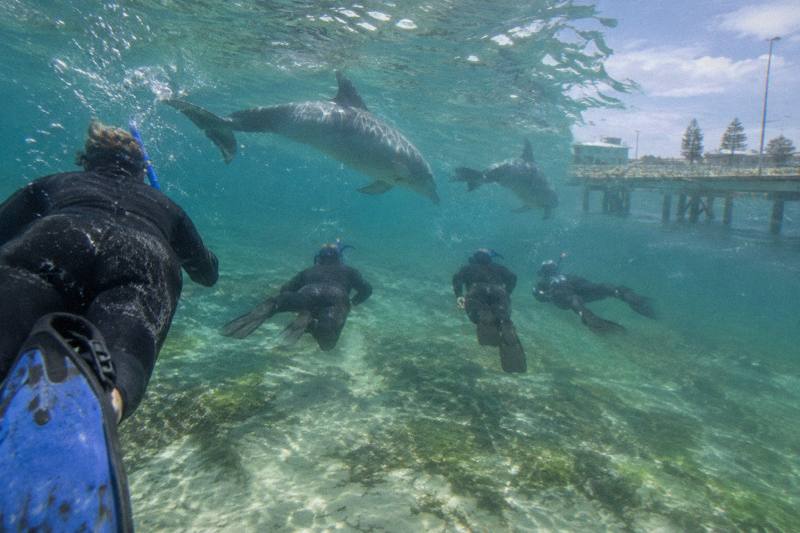
The operator, Perth Wildlife Encounters, describes the swim like this: once dolphins are located, guests put on wetsuits, masks and snorkels, enter the water in groups of up to 7, and are towed by a guide on an aqua scooter, holding the guide's belt. A second guide on a solo scooter works the dolphins around the group. Guests stay at the surface, and touching and feeding are not allowed.
Every part of that mechanics list exists because the dolphins are wild. The licensed structure matters here: under the Biodiversity Conservation Regulations 2018 (WA), a person in the water must normally keep 50 m from a dolphin, and a vessel 100 m, but the regulations do not apply to an activity authorised under a licence, which is how a commercial swim could could operates lawfully. The distances and the licensing pathway are set out in the consolidated WA regulations, and the same instrument makes touching or attempting to touch marine fauna an offence carrying a AUD 10,000 fine.
A commercial swim is, in other words, a licensed exception to the everyday rule, not a loophole around it. An independent swimmer off a Perth beach cannot legally close to 50 m with a dolphin; a commercial swim, under its DBCA authorisation, can put guided groups into the water beside the animals. The regulations also require a swimmer to move away as soon as reasonably possible if a dolphin approaches closer than the separation distance, which is the rule for everyone outside a licensed activity.
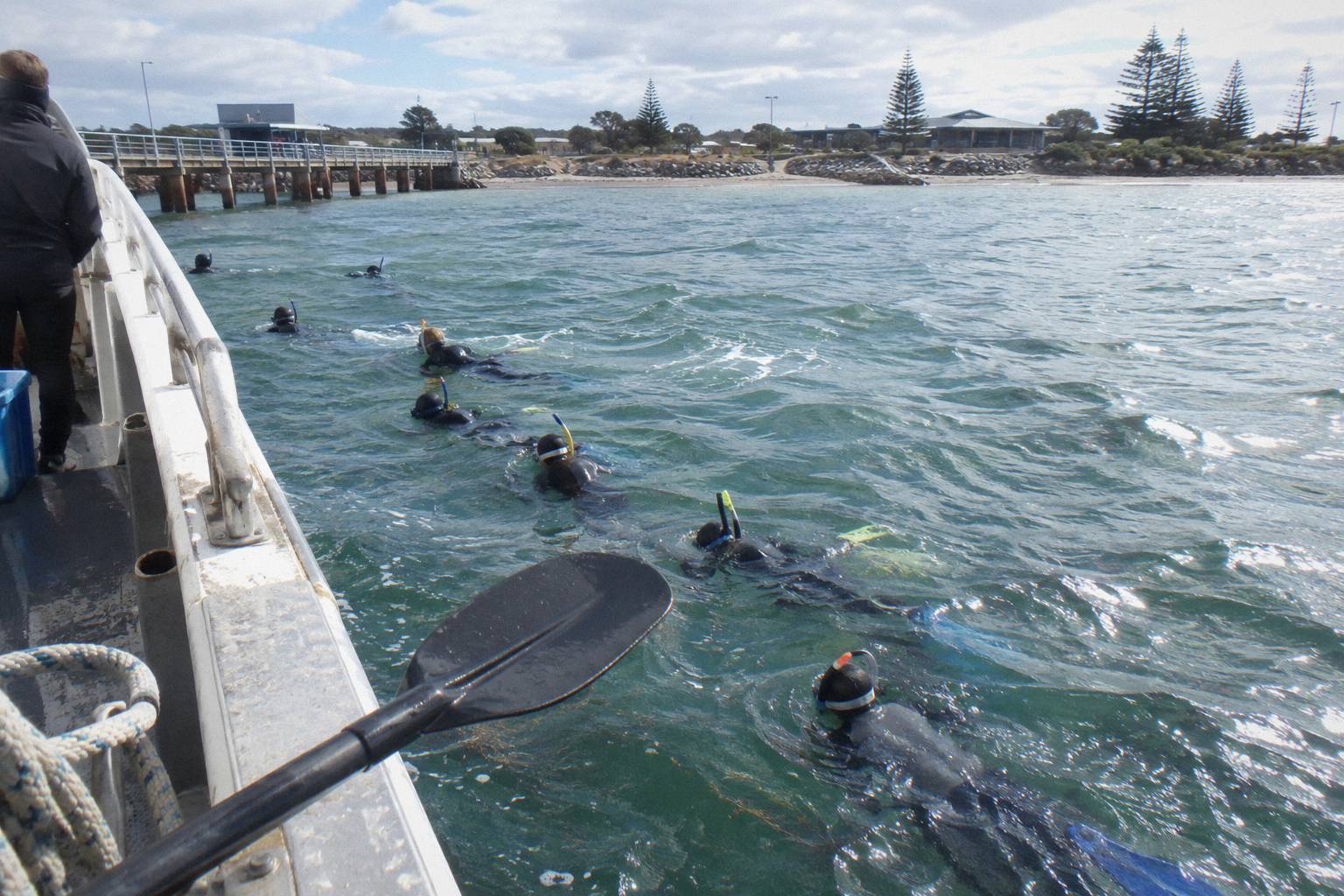
For a nervous first-timer, the operator's own statements carry the relevant reassurances: no previous snorkelling experience is required, nervous swimmers are accepted, and the 4 mm full-length wetsuit, in the operator's words, also keeps you very buoyant. An introductory snorkel lesson is part of the day. On the other side of the ledger, the operator says buoyancy aids are not recommended, and that if a parent feels a child needs one, the cruise is, in the operator's words, definitely not suitable. The operator also states the swim is not recommended for children 6 years or younger, that parents are responsible for supervising their children in the water, and that crew wear Shark Shields, which people with pacemakers and pregnant guests must not swim near.
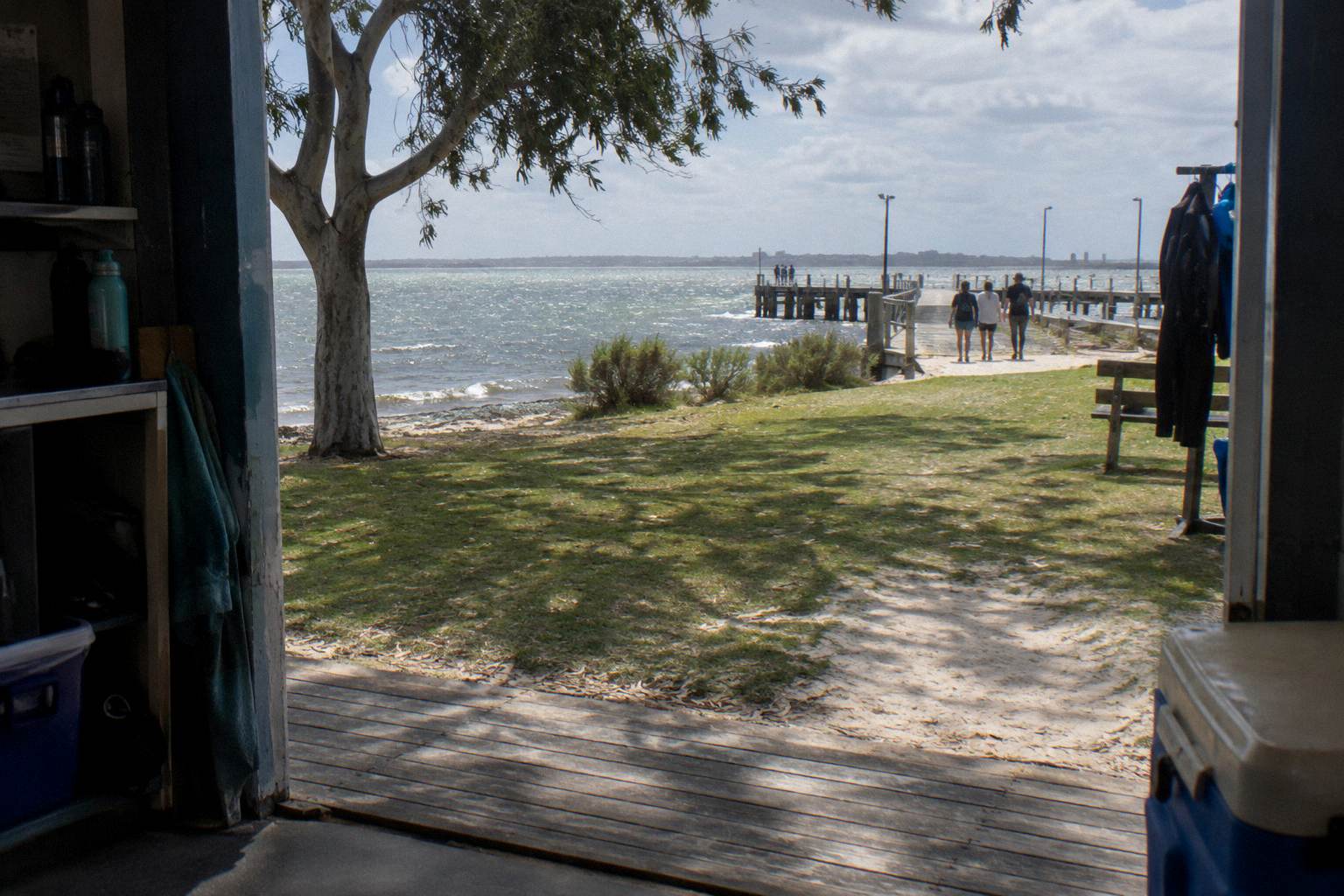
The booking page for the Rockingham Wild Dolphin Swim shows a rating of 4.7 across about 685 reviews, a from price of A$249.72 per person varying by date and option, free cancellation up to 24 hours, and a meeting point at Val Street Jetty, Rockingham. Before committing to a date, Check availability, since the season runs September to early June and dates fill differently through it.
What You Might See Dolphins Doing
The Rockingham operator's own page lists the behaviours its crews observe: hunting, mating, sleeping, chasing octopus and squid, hunting on the back of big stingrays, and, occasionally, a sea lion joining the dolphins. Those are operator-observed statements, not promises of any sighting or behaviour on a given day, and no operator promises what wild animals will be doing when a boat arrives.
Behaviour is where a species page becomes genuinely useful, because it tells a reader what "wild" means in practice. A dolphin that is hunting behaves differently from one that is resting, and the regulations acknowledge this directly: a vessel must move away from visibly disturbed marine fauna. The operator's list is worth reading as a range of possibilities, each real, none scheduled.
| Behaviour, operator's list | What the operator states |
|---|---|
| Hunting | Observed by crews |
| Mating | Observed by crews |
| Sleeping | Observed by crews |
| Chasing octopus and squid | Observed by crews |
| Hunting on the back of big stingrays | Observed by crews |
| A sea lion joining | Occasional, operator's wording |
The sea lion line deserves a careful reading. The Department of Biodiversity, Conservation and Attractions announced a separate licensed trial for swimming with sea lions on the WA coastline, and named Perth Wildlife Encounters as the one Shoalwater Islands Marine Park operator chosen for it, with trial participants keeping at least 10 m from the seals alongside a trained in-water guide. That trial concerns sea lions, not dolphins, and nothing the operators state says the dolphin swim includes sea lion swimming. A sea lion occasionally joining the dolphins is an observation about the dolphins' day, not an add-on product. The trial is described at DBCA's announcement of the sea lion swim trial.
For readers weighing a watching cruise against the swim, behaviour is also the difference between the two formats. From a deck you see surface behaviour over a wider area; in the water you are, on the operator's description, towed right amongst the dolphins at the surface. Neither format controls the animals. The Mandurah Dolphin Cruise's own booking page says dolphins are wild and choose when and how they interact, so sightings cannot be promised, and if none are sighted you can return free until you see them, rebooking within 12 months, a term that booking page describes for that tour only.
The Mandurah Dolphin Cruise, rated 4.5 across 1,090 reviews, from A$47 per person, runs 75 minutes with live commentary from a skipper and a local expert, and the booking page notes hotel pickup is not included and free parking sits close to the departure point. For a reader whose interest in the species is curiosity rather than getting wet, it is the shortest stated commitment among the five tours, and its return-free term, as its own booking page describes it, is specific to it.
Bunbury's Koombana Bay Group
The Dolphin Discovery Centre states that its Koombana Bay resident group averages about 50 animals, with another 100 or more visiting across the year. That figure is the Centre's own, about Bunbury only, and no comparable count exists for Rockingham or Shoalwater on any operator or official page. The Bunbury swim runs November to April, about 4 hours, with a 7:45 am start listed by the operator.
Bunbury is the one place with a published local picture of its dolphin population, and it comes from the Centre's own research page rather than a third party. The distinction between a resident group and visiting animals is the interesting part: an average of about 50 residents and 100 or more visitors describes a bay that some dolphins use persistently and others pass through. That is the Centre's framing, and it stays on Bunbury sentences.
The swim itself is run by the Dolphin Discovery Centre from Anchorage Cove at Koombana Bay, with the booking page including wetsuits in all sizes, floating devices, fresh drinking water and a snack, a tea and coffee station at the Centre, changing rooms, storage and hot showers after. The operator's own page sets group sizes at a minimum of 8 and a maximum of 20 swimmers plus 4 observers, requires swimmers to be independent and confident, and sets the minimum age at 8, with children accompanied by a swimming adult. The booking page shows free cancellation up to 24 hours; the operator's own direct terms, for bookings made direct with the operator, are stricter inside 72 hours, and the two channels should never be blurred into one.
A reader choosing between the two swims on species grounds will find no species difference: Indo-Pacific bottlenose dolphins at both, per the Murdoch research for the Perth area and the Centre's own material for Bunbury. The real differences are season, water, group structure and age rules, all covered in detail in whether Rockingham or Bunbury suits you better. Price is not one of the comparison points here, because the Bunbury swim's booking page carries no stated price, and the Rockingham swim's from price of A$249.72 stands alone rather than beside an invented counterpart.
Where Dolphins Fit In Shoalwater Islands Marine Park
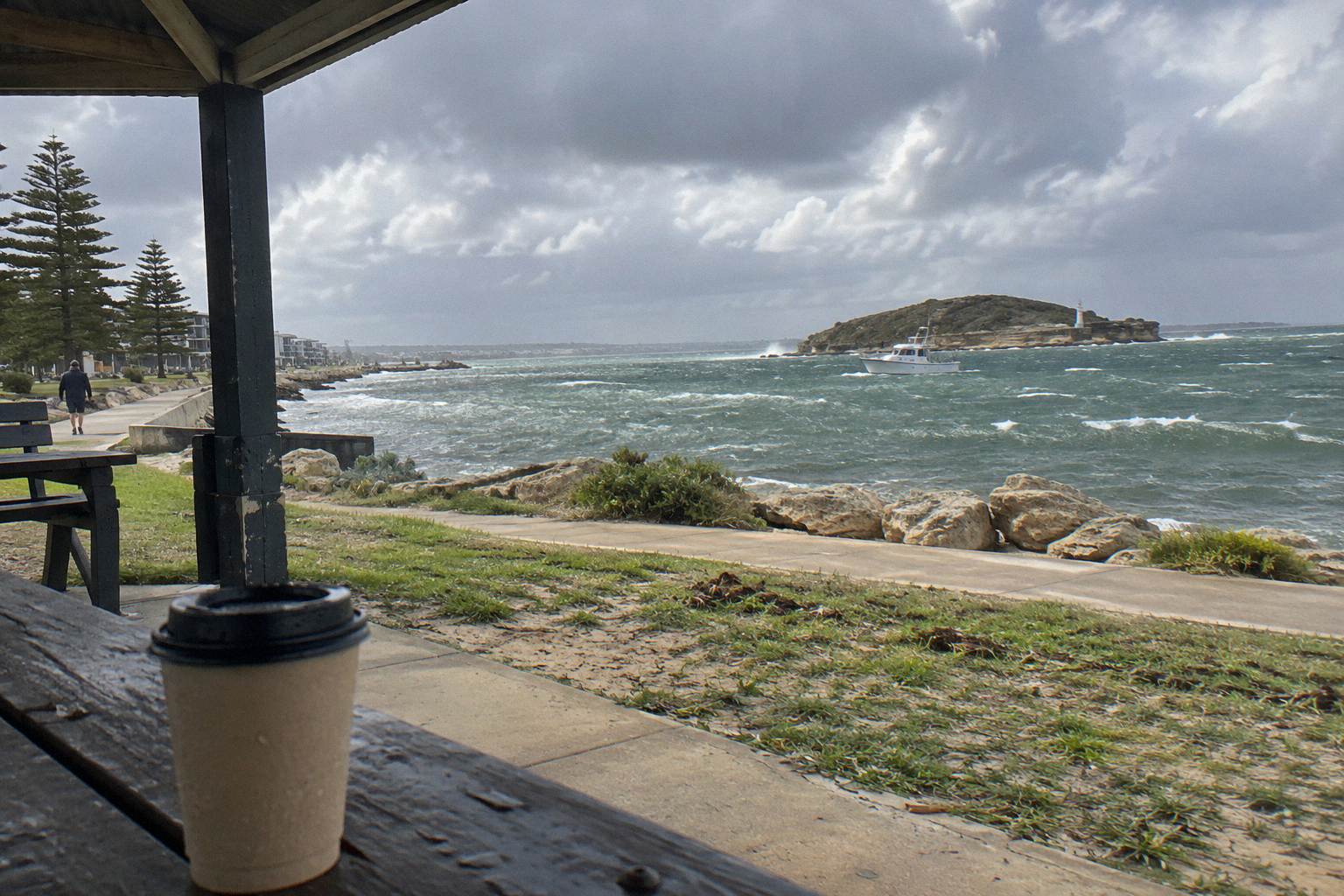
The Shoalwater Islands Marine Park page from the Parks and Wildlife Service describes a park with free entry and no dogs, where visitors can, in the page's wording, hop aboard a wildlife cruise and swim with the dolphins or take a kayak tour, with sea lions on Seal Island. The page places the park less than 45 minutes drive south from Perth in its paddle trail text, and just an hour from Perth elsewhere.
The park is the setting for the Shoalwater end of the Rockingham dolphin story, and the official Shoalwater Islands Marine Park page is the authority on what it holds: dolphins, sea lions on Seal Island, the paddle trail and the wildlife cruises. Traditional Owners of the park are the Gnaarla Karla Booja people, in the park page's wording. No sanctuary-zone detail was found on any operator or official page, and none is guessed at here.
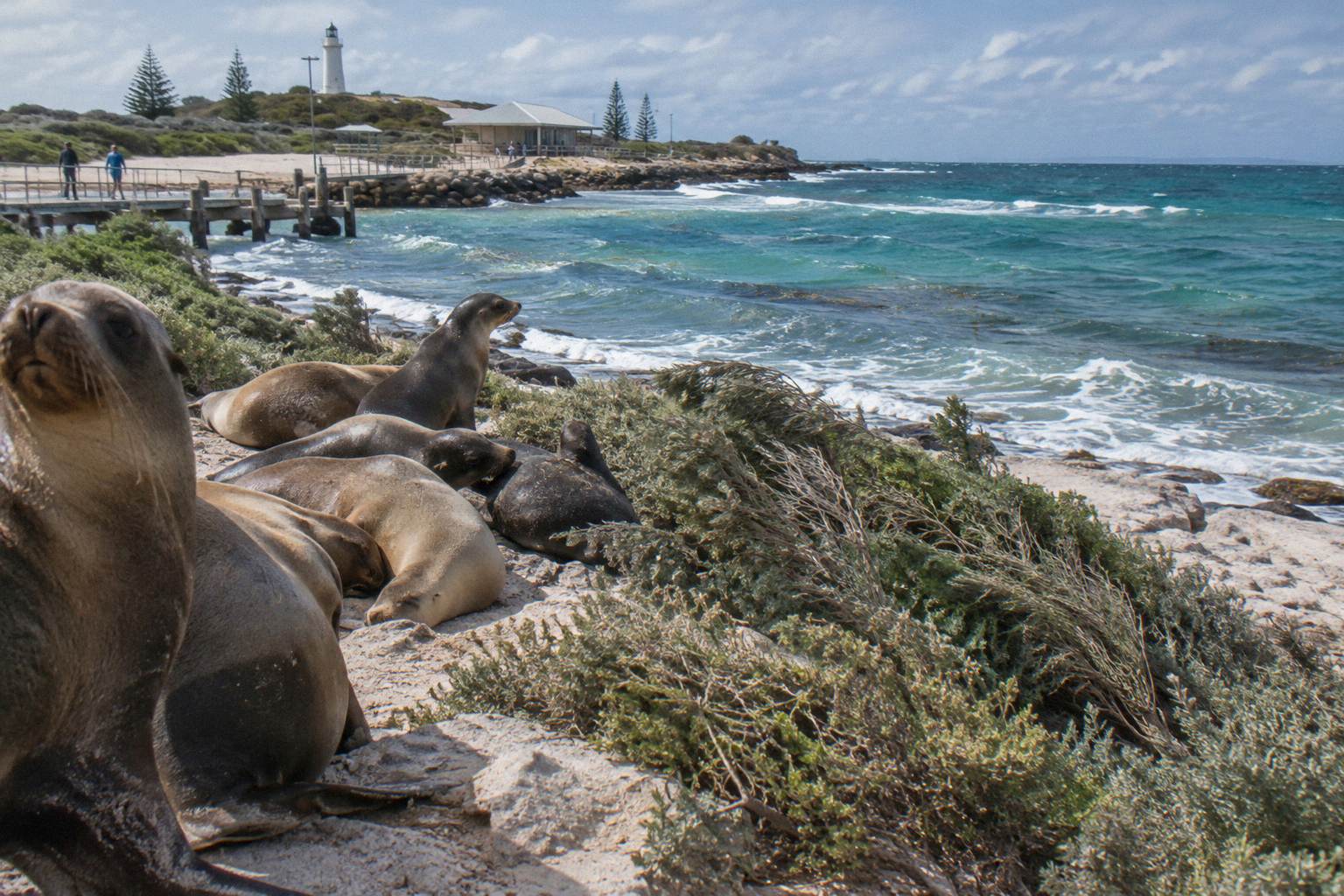
Penguin Island sits inside the park, and its access rules are the operator's statements rather than state facts: generally open daily from 15 October to early June, closed through the winter nesting season and on days of 35 °C or more, with the decision made the day before. The Penguin Island And Dolphin Cruise meets at the operator base at 153 Arcadia Drive, Shoalwater, runs about 1 hour 30 minutes, and is watching only; its rating, price and cancellation terms are not stated. A reader tempted to fold the island and the swim into one booking should read how a Penguin Island and dolphin swim combined day works first, because the swim cruise is not an island visit.
For the licence-minded reader, the park page's casual phrase, swim with the dolphins, sits on top of the same regulatory structure described earlier: commercial interaction licences under the WA regulations, the 50 m and 100 m distances for everyone else, and the touch prohibition with its AUD 10,000 fine. The full licensing detail is in the Shoalwater marine park dolphin swim guide, which works through what the park status means for a swim day.
What Trips People Up When Identifying WA Dolphins
The most common mistake is treating Perth's dolphins as one population with one number. They are four discrete communities in the metro waters, per Murdoch University research, and there is no official count for Rockingham or Shoalwater on any operator or official page. The second mistake is assuming every dolphin tour is a swim: three of the five tours here are watching cruises, and one of them, the Penguin Island cruise, states no price, rating or cancellation term at all.
Close behind those comes the community mix-up: because Rockingham sits beside Cockburn Sound, it is easy to write that the swim dolphins are the Cockburn Sound community. The research names the community; nothing assigns the tour's animals to it. Say the species, say the geography, and leave the community question with the operator.
A fourth trip-up is stretching one operator's statement onto another. The Bunbury population figure belongs to the Dolphin Discovery Centre and to Bunbury sentences. The come-again term on the Mandurah Dolphin Cruise's booking page belongs to that tour. The Rockingham operator's free return, for bookings made direct with the operator, applies when no dolphins are seen or swum with, and rebooking sits within the current season. None of these terms transfers, and a reader who assumes they do can end up disappointed on the wrong tour.
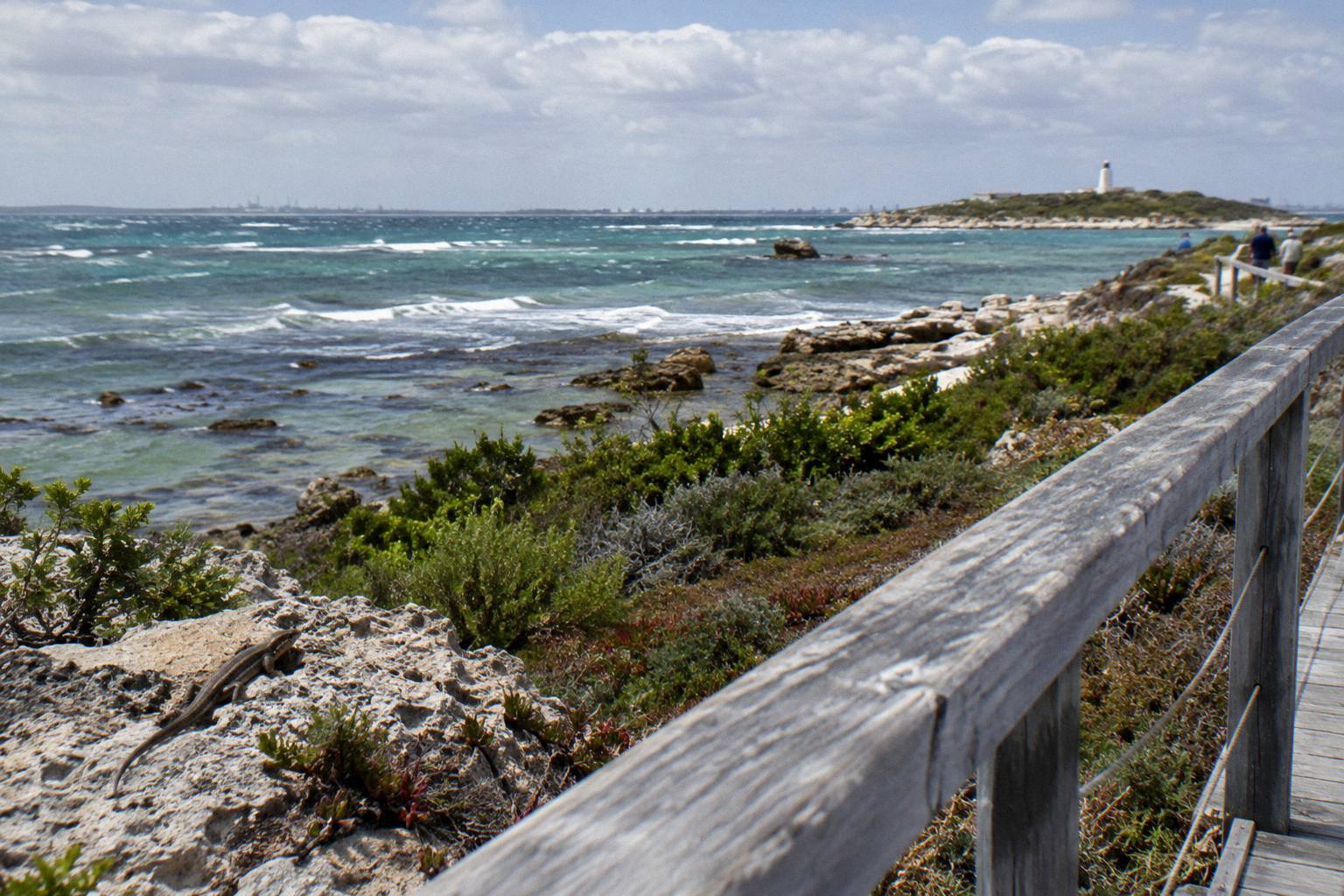
Finally, expectations. Wild dolphins are not scheduled. The operator's behaviour list is a record of what crews have observed, not a program, and the Mandurah Dolphin Cruise's booking page says plainly that dolphins are wild and choose when and how they interact. A reader who books with that sentence in mind enjoys the day either way. For timing decisions, the best month for a wild dolphin swim works through the seasons both operators actually state: September to early June at Rockingham, November to April at Bunbury.
Questions To Ask Before Booking
Before you book any trip, ask about the total cost including all fees, the cancellation and refund policy, what is actually included in the price, and any restrictions that could affect your plans. You should also confirm deposit requirements, payment schedules, and whether changes are allowed, since getting these answers in writing protects you and makes comparing options much easier.
- Which dolphins the tour encounters, and whether the operator will say which community, given the Murdoch research names four in the metro waters.
- What the listed duration means in practice: the Rockingham swim's booking page says about 3 to 6 hours depending on dolphin sightings, and the operator states cruises have no fixed finish time.
- The age rules that apply to your group: not recommended for children 6 or younger at Rockingham, 8 plus with a swimming adult at Bunbury, both operator statements.
- Which channel you are booking through, because the operators' direct cancellation terms and the booking pages' 24 hour free cancellation are separate things, and the Penguin Island cruise states no cancellation term.
- What happens if no dolphins appear, tour by tour, since the come-again terms differ and none of them is a cash refund by itself.
- What kit is included: the operator's wetsuit, mask, snorkel and lesson at Rockingham; the booking page's wetsuits, floating devices, water and snack at Bunbury.
None of these questions has a universal answer across the five tours, which is exactly why asking beats assuming.
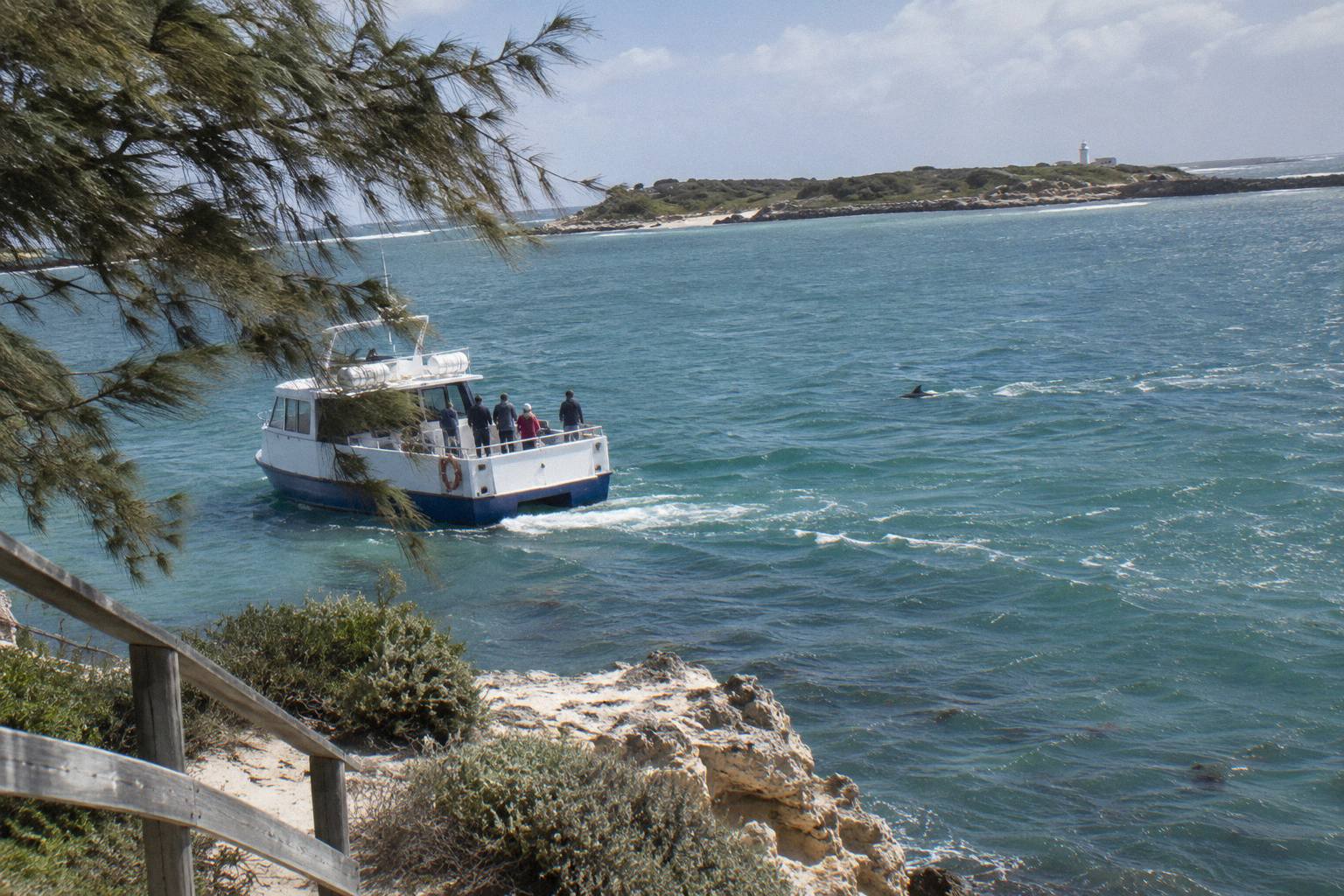
The Mandurah Giants And Dolphin Cruise, rated 4.8 across 87 reviews and from A$85 per person, adds a 2 hour route past canal sculptures to the dolphin watching, on a SuperCat with a large open front, upper and lower decks and large windows, per its booking page. The same page says a fish-and-chip lunch is not included but can be arranged with the operator, that soft drinks and light snacks can be bought on board or brought, that free cancellation applies up to 24 hours, and that if dolphins are not sighted you can join again for free, a term that booking page states for that tour alone.
Common Questions About Dolphins In Western Australia
What Dolphins Are In Western Australia?
The dolphins of the Perth metropolitan coast are Indo-Pacific bottlenose dolphins, Tursiops aduncus, per Murdoch University research, which identified four discrete communities in metro waters: Cockburn Sound, the Swan Canning Riverpark, Owen Anchorage and Gage Roads. At Bunbury, the Dolphin Discovery Centre studies its own Koombana Bay group of about 50 resident animals.
Are The Dolphins Near Rockingham The Cockburn Sound Community?
Not stated. Rockingham sits beside Cockburn Sound, one of the four communities the Murdoch research names, but neither the research summary nor the operator assigns the swim's dolphins to that community. Ask the operator if the detail matters to you.
How Many Dolphins Live Near Rockingham?
No dolphin count for Rockingham or Shoalwater exists on any operator or official page. The only local figure published is the Dolphin Discovery Centre's Bunbury statement: about 50 resident animals in Koombana Bay with 100 or more visiting through the year.
Do Other Dolphin Species Appear On The Tours?
Not stated. The sources name Indo-Pacific bottlenose dolphins for the Perth area and describe the Bunbury group; they say nothing about other dolphin or whale species on these tours. Ask the operator if the question matters to your booking.
Can You Touch The Dolphins On A Swim?
No. Touching or attempting to touch marine fauna is prohibited under the WA Biodiversity Conservation Regulations 2018, with a AUD 10,000 fine, and both swim operators state their swims are no-touch, no-feed experiences. The Rockingham swim tows groups of up to 7 behind a guide.
Which Tours Actually Get You In The Water?
Two: the Rockingham Wild Dolphin Swim and the Bunbury Wild Dolphin Swim. The Penguin Island And Dolphin Cruise, the Mandurah Dolphin Cruise and the Mandurah Giants And Dolphin Cruise are watching cruises, and there is no Mandurah swim among the tours covered here.