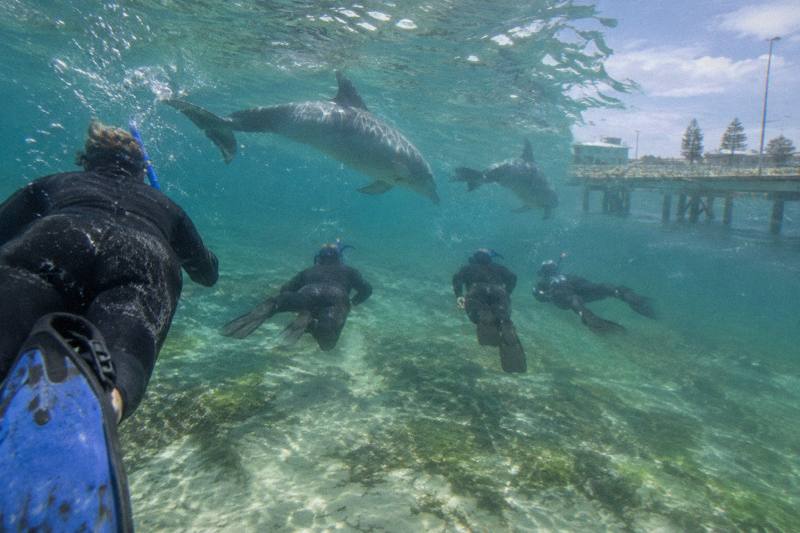
How Likely Are You To See Dolphins On A Swim Trip?
Nobody can promise wild dolphins, and no operator near Rockingham publishes a sighting rate. What each tour does offer is a stated plan for the day, and a stated outcome if the bay stays empty.
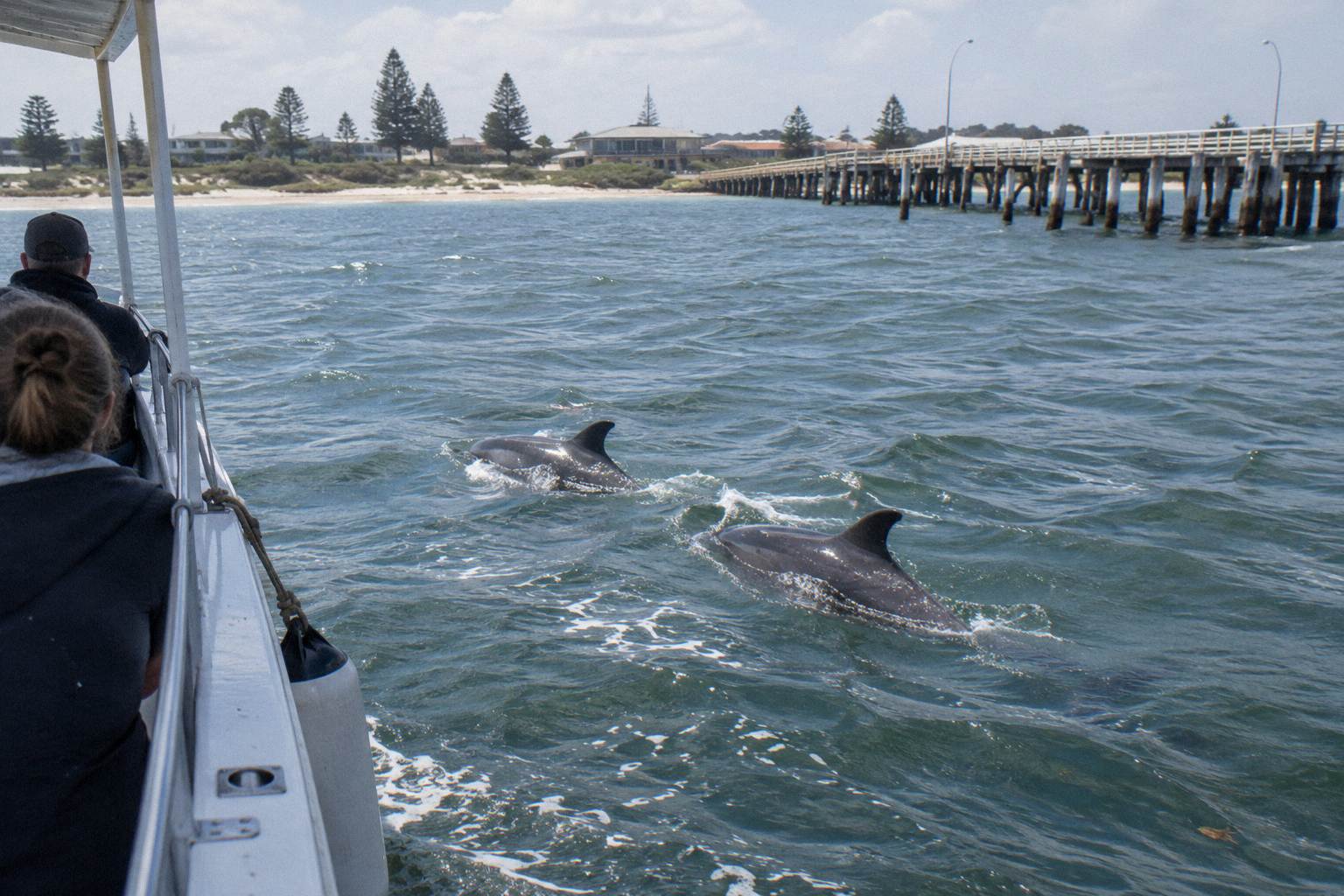
Short answer
No operator or booking page states a sighting rate or an odds figure, so the answer starts there. The Rockingham operator describes its local dolphins as territorial and very consistent after over 25 years, and the cruise has no fixed finish time so the crew can keep searching. Every tour handles a no-sighting day through its own come-again or cancellation wording.
Dolphins are wild animals that choose when and how they interact, and the booking pages for the Mandurah cruises say exactly that in their own words. That single sentence is the best starting point for anyone weighing a swim booking against the fear of a wasted day. The good news is that the operators around Rockingham and Shoalwater have built their whole product around that uncertainty, from open-ended cruise times to come-again terms, and each one states its own plan plainly.
In short: No operator states a sighting percentage, so any number you read elsewhere is a guess. The Rockingham operator calls its local dolphins territorial and very consistent after over 25 years of running swims, and the cruise has no fixed finish time so the crew can keep searching. If no dolphins appear, each tour applies its own come-again or cancellation wording, and the terms differ between booking direct and booking through a page. A watching cruise is the lower-commitment way to be on the water if a swim feels like too much riding on one morning.
The swims and cruises covered here run out of Rockingham, Shoalwater, Mandurah and Bunbury, and the question of likelihood plays out differently at each. For the broader question of which side of the fence you sit on, the guide on choosing between a wild dolphin swim and a dolphin watching cruise walks through the trade-offs, while Rockingham Swim With Dolphins covers the swim side of the region in depth.
| Fact | What Is Stated |
|---|---|
| Sighting rate or odds | Not stated by any operator or booking page |
| Rockingham swim season | September to early June (operator) |
| Bunbury swim season | November to April (operator) |
| Rockingham cruise length | About 3 to 6 hours depending on sightings (booking page) |
| Closest approach allowed, unlicensed swimmer | 50 m (WA regulations) |
| Touching any marine fauna | Prohibited, AUD 10,000 fine |
What Are Your Chances Of Seeing Dolphins On A Swim?
There is no true number to put on this question, because no operator or booking page publishes a sighting rate, an odds figure, or a success percentage for dolphin swims, which means any percentage you see quoted elsewhere is not an official statistic, and your real chances rest entirely on the dolphins themselves on the day. What is stated comes from the operators themselves. Perth Wildlife Encounters, which runs the Rockingham Wild Dolphin Swim, says it has over 25 years of experience with the local dolphins and calls them territorial and very consistent. The Dolphin Discovery Centre in Bunbury says if no dolphins are sighted you go again free, for bookings made direct with the operator. Those are operator statements about their own waters, not statistics, and no page here converts them into a probability.
That gap between confidence and numbers is worth sitting with for a moment. A territorial dolphin group, in the operator's own description, is one that stays attached to a home range rather than drifting far offshore, which is what makes a swim product viable at all. Murdoch University research backs the underlying idea that Perth's dolphins stay put in identifiable communities: it found four discrete Indo-Pacific bottlenose communities in metro waters, Cockburn Sound, the Swan Canning Riverpark, Owen Anchorage and Gage Roads, each needing its own protections, as the Murdoch University summary explains. Rockingham's Shoalwater side sits beside Cockburn Sound, though no operator states that the swim dolphins belong to that specific community, and no dolphin count for Rockingham is published.
What you can weigh instead of odds is structure. A cruise with no fixed finish time gives the crew room to keep searching rather than turning back on a schedule, and that is exactly how the Rockingham operator describes its day. A shorter watching cruise has less search time by definition, the Mandurah Dolphin Cruise runs 75 minutes, but carries its own comeback term. The decision logic is about how much riding on the outcome you can accept, not about which tour has better odds that nobody publishes.
How Each Tour Handles A Day When No Dolphins Appear
Each tour sets its own outcome for a day when no dolphins appear, and the exact wording belongs to that tour alone. Because there is no shared policy across operators, you should read what every tour promises about no-sighting days before booking rather than assuming one standard rule applies to them all. The Rockingham operator's own term, for bookings made direct with the operator, is a free come-again cruise in the same season, not a refund. The Bunbury operator states a free return if none are sighted, direct only. The two Mandurah booking pages describe a return-free-until-you-see-them term in their own words. The Penguin Island And Dolphin Cruise states nothing on this, so ask the operator directly.
The distinction that matters most is the channel you book through. The operator-direct terms above apply to bookings made direct with the operator. The booking pages for four tours, the Rockingham swim, the Bunbury swim and both Mandurah cruises, separately show free cancellation up to 24 hours before departure, which is a cash-back window rather than a sighting promise. The Penguin Island And Dolphin Cruise states no cancellation term at all. The full picture of what money comes back and when is unpacked in the refund answer for dolphin no-shows, which keeps all three channels separate.
| Tour | What Is Stated About A No-Sighting Day | Channel |
|---|---|---|
| Rockingham Wild Dolphin Swim | "You're welcome to come again free of charge" in the same season; not a refund; seats non-transferable | Operator, for bookings made direct with the operator |
| Bunbury Wild Dolphin Swim | Go Again Free If None Sighted | Operator, for bookings made direct with the operator |
| Mandurah Dolphin Cruise | If none are sighted you can return free until you see them; rebook within 12 months, 3 years if you live overseas, subject to availability | Booking page wording, this tour only |
| Mandurah Giants And Dolphin Cruise | If dolphins are not sighted you can join again for free | Booking page wording, this tour only |
| Penguin Island And Dolphin Cruise | Not stated | Ask the operator |
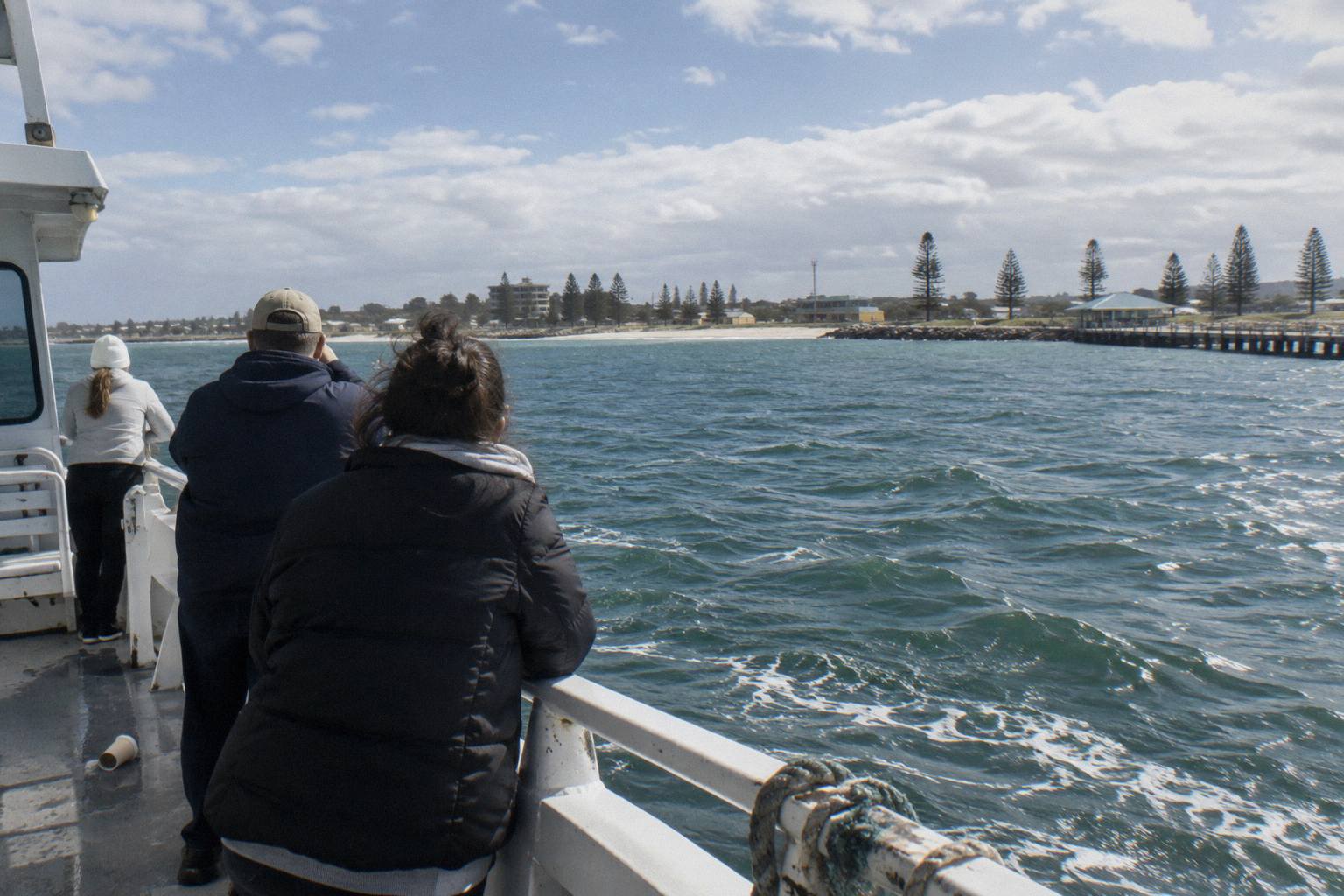
Notice what these terms have in common: none of them is a cash refund triggered by absent dolphins. A come-again term gives you another day on the water, which suits a local or someone with flexible dates far better than a visitor on a tight schedule. If you are flying out the next morning, a free return next month is worth little, and your real protection is the 24 hour cancellation window on the booking pages plus a realistic reading of the season. That is a planning question, not a wildlife question.
Why The Rockingham Swim Keeps Searching
The Rockingham swim is built with an open end: the operator states the cruise has no fixed finish time, so the crew can keep searching, and the booking page gives an estimate of about 3 to 6 hours depending on dolphin sightings. That open-ended design is exactly why the tour keeps looking instead of stopping at a set hour. That range is not padding, it is the design. A fixed-duration cruise has to turn back whether or not the bay is empty, while an open-ended one can hold pattern, relocate or wait. The operator backs that structure with its own history, saying it has over 25 years of experience with the local dolphins and describing them as territorial and very consistent in the area.
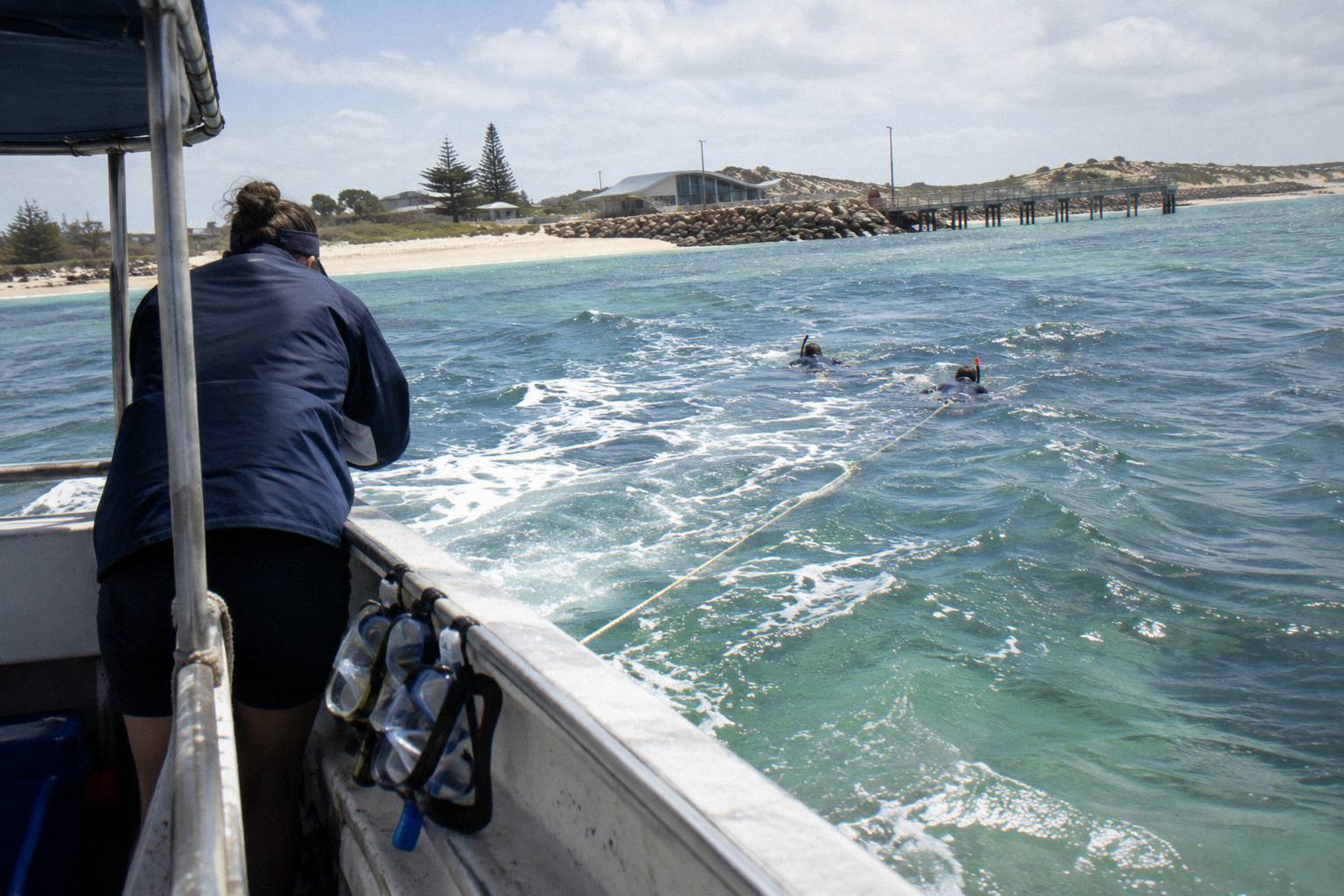
The mechanics of the day, as the operator describes them on its swim page, follow from the searching. Once dolphins are located, guests zip up wetsuits, put on mask and snorkel and move to the swim deck. Entry is in small groups of up to 7, each led by a guide on an aqua scooter who tows the group among the dolphins while guests hold the guide's belt and stay at the surface, with a second guide on a solo scooter working closer to the animals. Until dolphins are located, nobody swims, which is why the cruise can stretch toward the longer end of its range on a slow day.
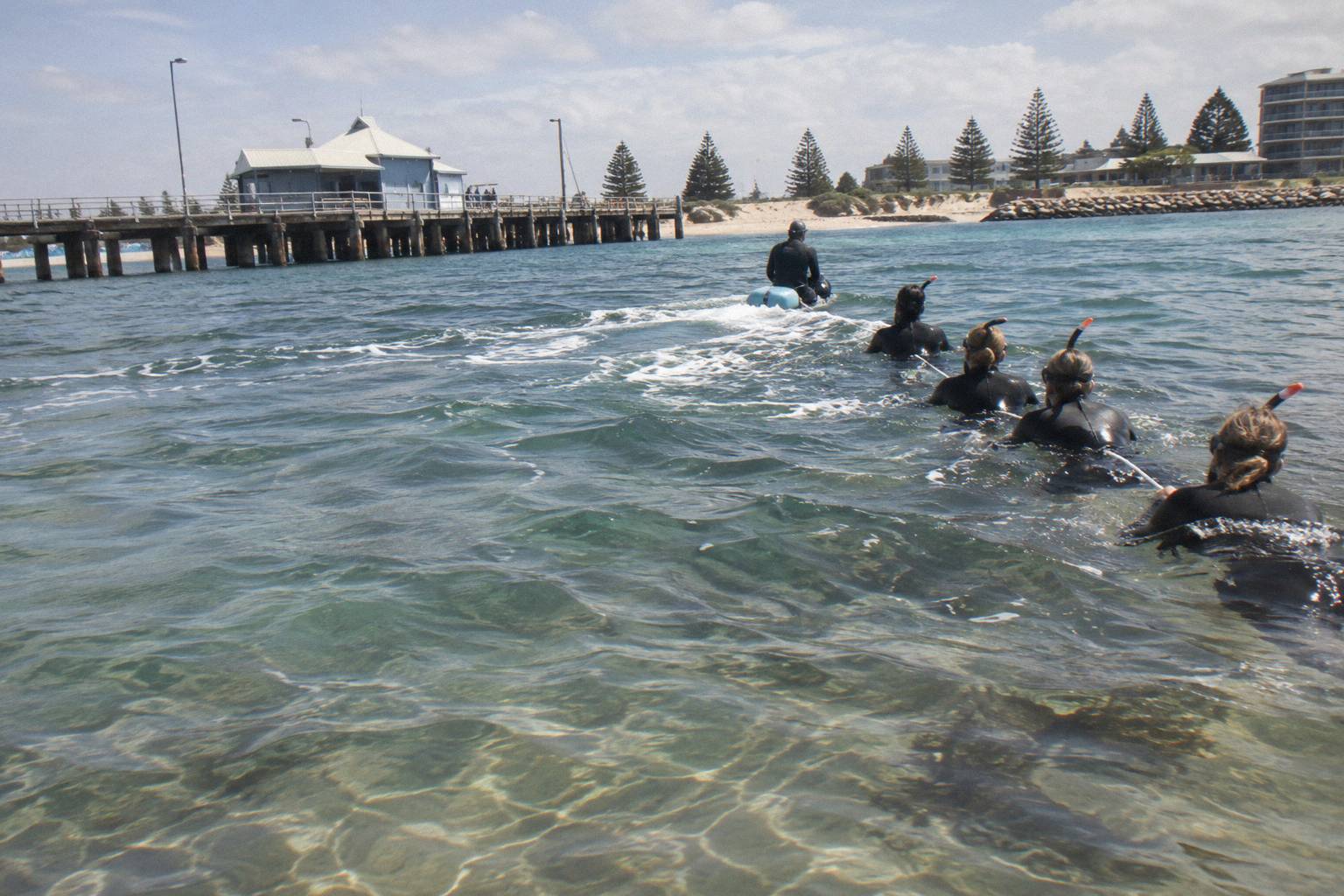
For a first-timer, the open time range cuts both ways and deserves a place in your planning. Clear the whole morning, treat the six hour end as the realistic ceiling, and do not stack a fixed afternoon appointment behind it. What a day on the water actually looks like hour by hour, from the wetsuit fitting to the waiver signed before boarding, is covered in the walkthrough of a wild dolphin swim day, which draws only on the operator's own description of events.
A spectator option exists on the Rockingham cruise, the operator says, with no price stated, which matters here for a specific reason: it lets one half of a couple take the swimming risk while the other watches from the boat. The operator also films every swim and uploads the photos online, so the swimmers' moments are captured without anyone managing a camera in the water. Both details soften the all-or-nothing feel that makes people hesitate over booking.
The Bunbury alternative runs on tighter rails and says so. The Dolphin Discovery Centre's swim is a stated 4 hours in Koombana Bay, November to April, with a daily 7:45 am start, swimmers 8 and over, and group sizes of 8 to 20 swimmers with up to 4 observers. On the Centre's own swim page the trade is explicit: a defined schedule and a compact bay, against the Rockingham model of an open-ended search across bigger water.
Come-Again Terms, Cancellation Windows And Money Back
There are three separate protections a buyer can hold, and they are never interchangeable: a booking-page cancellation window that returns cash, an operator-direct come-again term that returns another cruise, and a booking page's own no-sighting wording for that tour alone. The booking pages show free cancellation up to 24 hours for the Rockingham swim, the Bunbury swim, the Mandurah Dolphin Cruise and the Mandurah Giants And Dolphin Cruise. The Penguin Island And Dolphin Cruise states none. The operator-direct terms are separate again and apply only to bookings made direct with the operator.
Start with the cash window, since it is the only term that returns money regardless of what the dolphins do. On the Rockingham swim's booking page, free cancellation up to 24 hours means a full refund when you cancel at least 24 hours before the start. The operator's own direct-booking terms are stricter on changes: by email 48 hours or more before departure, with no refund inside 48 hours, and if the operator cancels for weather there is no charge and a reschedule is offered. Two channels, two different clocks, on the same physical cruise.
The come-again terms, by contrast, pay out in boat trips. The Rockingham operator's wording, "you're welcome to come again free of charge", applies to its Swim with Wild Dolphins cruises, must be rebooked within the current season, is subject to availability, and the seats are non-transferable. The Mandurah Dolphin Cruise's booking page frames its own term carefully: dolphins are wild and choose when and how they interact, so no sighting is promised, and if none are sighted you can return free until you see them, claimed by contacting the operator with your booking reference. The Giants cruise page says you can join again for free. None of that wording transfers to another tour.
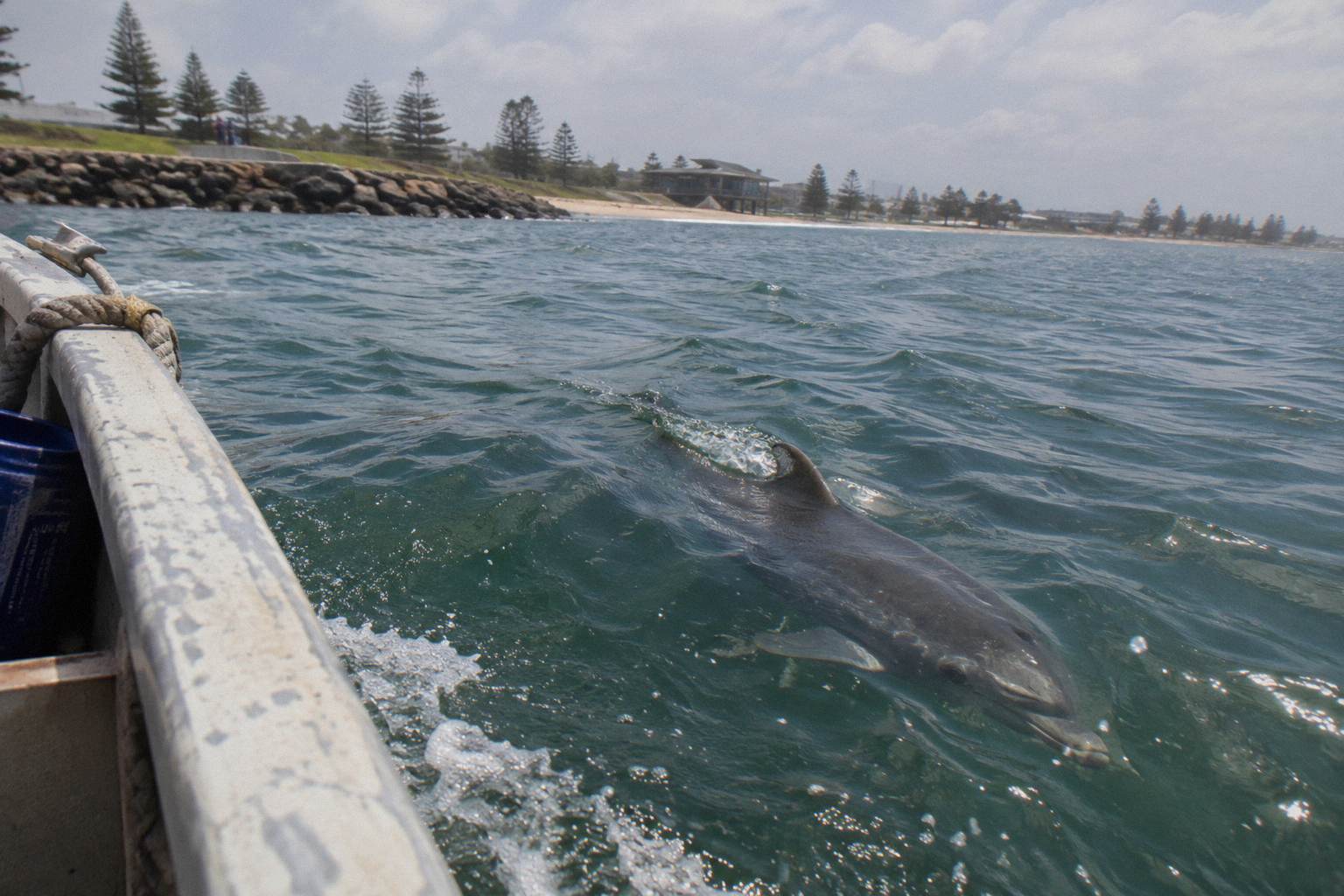
One practical habit ties all three protections together: keep the booking reference and screenshot the terms at the moment of booking. The Mandurah comeback term is claimed by contacting the operator with your reference, the come-again windows are rebooked rather than refunded, and the 24 hour cancellation clock is counted from the departure shown on your confirmation. A traveller who cannot find the reference on the day has effectively declined the protection.
The Rockingham Wild Dolphin Swim is the featured swim on its own tour page, rated 4.7 across about 685 reviews and from A$249.72 per person, with free cancellation up to 24 hours on the booking page. Check availability and read the cancellation wording on the booking page before you lock the date in.
Watching Cruises As The Lower-Commitment Option
If committing a whole day to one sighting is what puts you off, a watching cruise shrinks the stake: you spend less time on the water, the from-prices start lower, and its own comeback term, stated right on the booking page, means a no-show day does not end the story. The Mandurah Dolphin Cruise runs 75 minutes, is rated 4.5 across 1,090 reviews, from A$47 per person, with hotel pickup not included and free parking close to the departure point described by the booking page. The Mandurah Giants And Dolphin Cruise runs 2 hours on a SuperCat with upper and lower decks, rated 4.8 across 87 reviews, from A$85 per person. Neither involves entering the water.
The watching terms deserve the same close reading as the swim terms. The Mandurah Dolphin Cruise's page says guests must be able to move around the vessel independently and safely, boarding steps and staying seated in small waves without crew help, which is a mobility question worth answering plainly before booking. The Giants page notes a fish-and-chip lunch is not included, with snacks and soft drinks for sale on board or bringable, and names a fourth giant sculpture seen from the water. Both pages show free cancellation up to 24 hours, and each carries its own join-again-free wording for a no-sighting day.
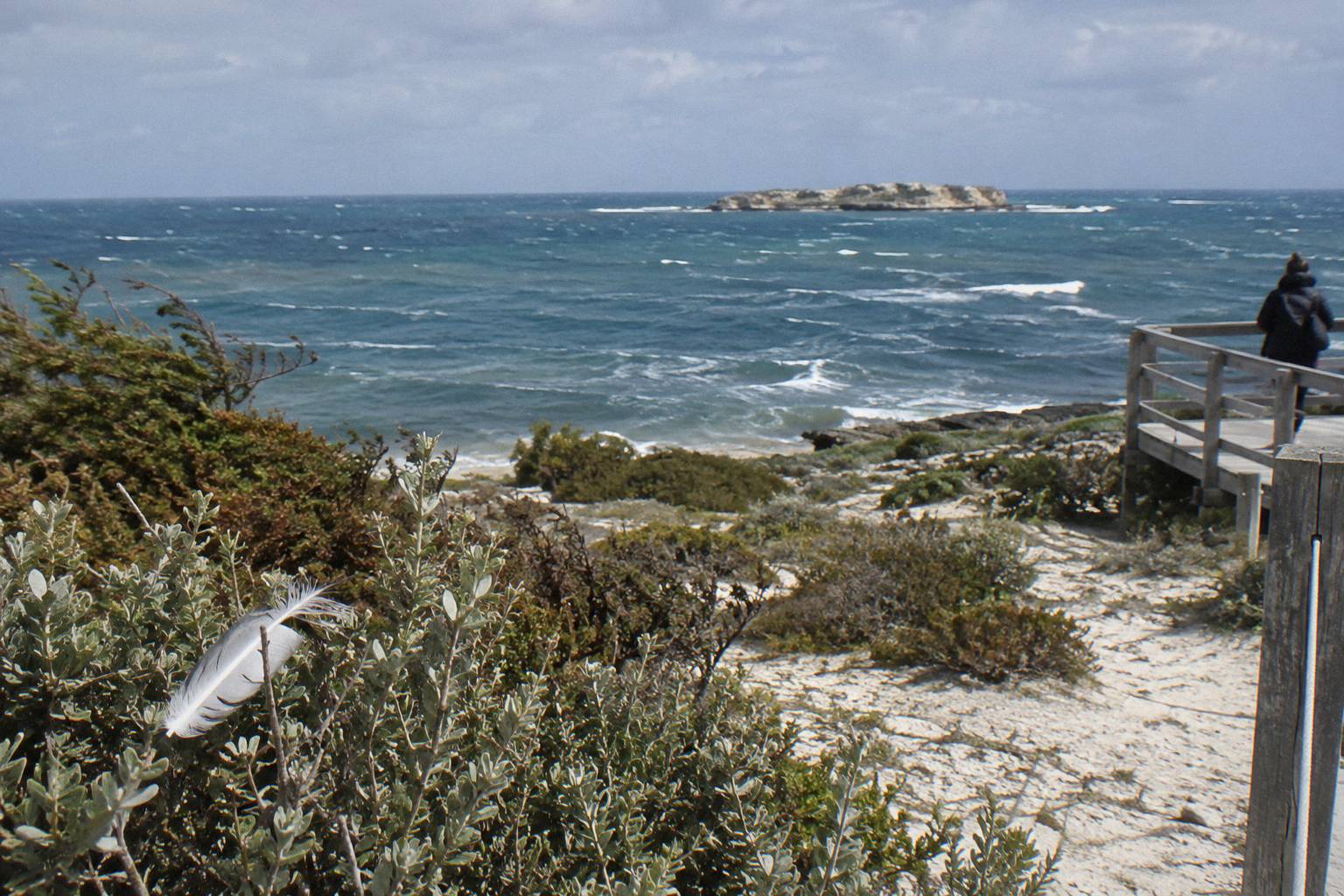
Between the two Mandurah options the choice is time and boat, not odds. The 75 minute cruise is a compact loop with live commentary from a skipper and local expert; the 2 hour Giants cruise adds the sculpture sightseeing from the water on a larger vessel. Neither page states a minimum age, a rating comparison would be meaningless with such different review pools, and neither offers a swim, there is no Mandurah swim among the tours here.
The Penguin Island And Dolphin Cruise is a third watching shape again: about 1 hour 30 minutes, meeting at the operator base at 153 Arcadia Drive, Shoalwater, inside the Shoalwater Islands Marine Park that the parks service describes on its park page as free to enter and under an hour's drive from Perth. Its price, rating, inclusions and cancellation terms are not published on any page this guide draws on, so treat it as a blank page and ask the operator what applies before paying. It suits a reader combining dolphin spotting with a look at the Shoalwater islands, not someone comparing promises.
What The Rules Allow Around Wild Dolphins
Western Australian law sets fixed separation distances for dolphins, 50 m for a person in the water and 100 m for a vessel, with fines of AUD 5,000 for getting closer, and a touch attempt carries a AUD 10,000 fine. A paid swim is lawful only where a licence authorises it: the regulations exempt activities authorised under a licence, and the state issues commercial interaction licences for exactly this purpose. If a dolphin approaches a swimmer inside 50 m, the rules require the swimmer to move away as soon as reasonably possible, and a vessel must go to neutral or move off at no more than 6 knots.
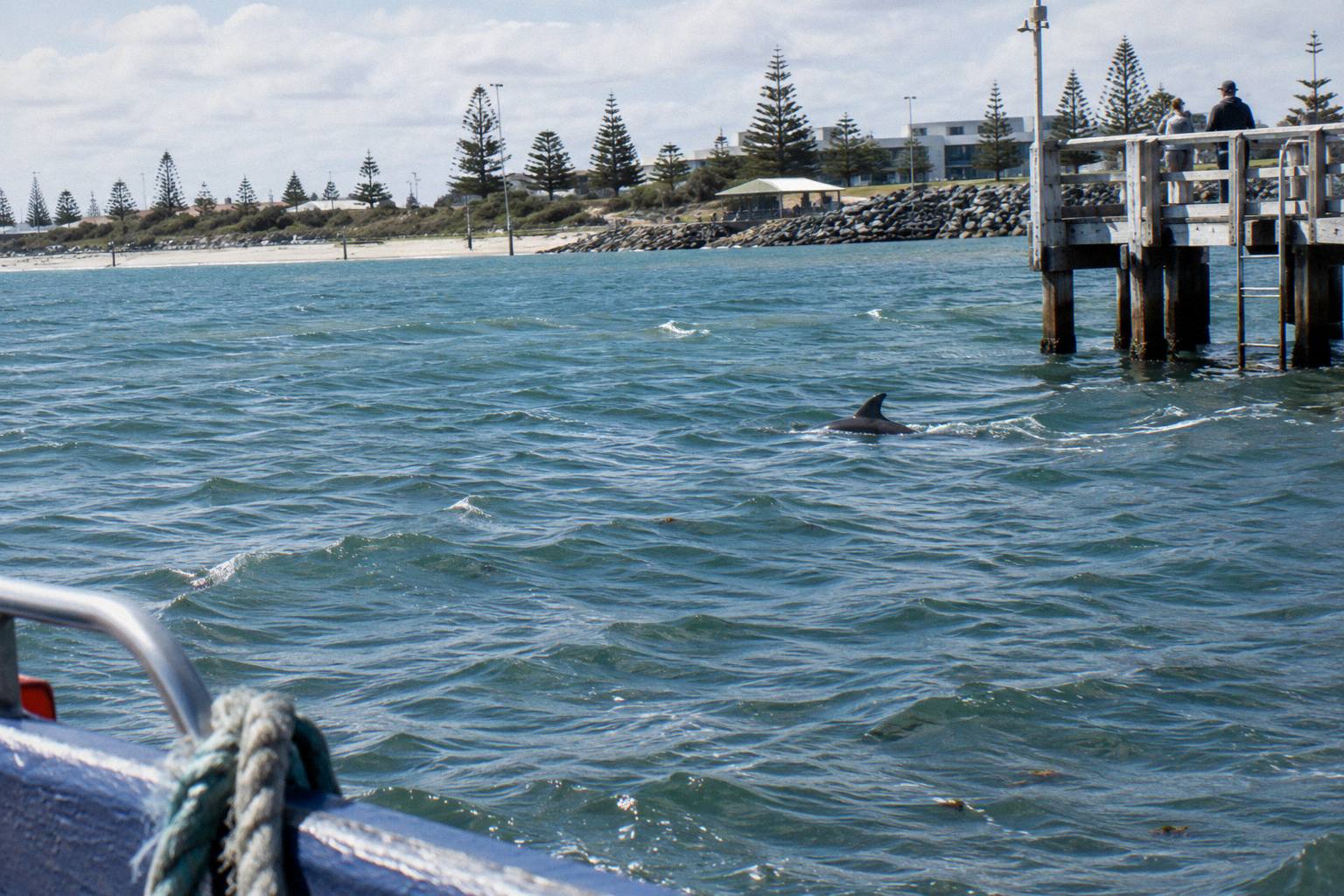
| Who Or What | Minimum Distance From A Dolphin | Fine For Breach |
|---|---|---|
| Person in the water | 50 m | AUD 5,000 |
| Vessel | 100 m | AUD 5,000 |
| Aircraft, non-helicopter | 300 m | Not stated here |
| Helicopter | 500 m | Not stated here |
| Drone (aerial device) | 60 m | Not stated here |
These numbers come from Schedule 5 of the Biodiversity Conservation Regulations 2018, readable in the consolidated regulation text, and they frame what a guided swim is: the operator's guides work inside a permission private swimmers do not hold. The rules also prohibit obstructing the natural movement of marine fauna in the water, and feeding is banned without its own licence, which lines up with the Rockingham operator's own no-touching, no-feeding policy. None of this raises or lowers your sighting chance, it just explains why the swim is structured through guides rather than as a free-for-all.
A separate licensed trial for swimming with sea lions in the marine park exists, with Perth Wildlife Encounters named as the one Shoalwater operator in the state's announcement. That trial is about sea lions, not dolphins, and no page here sells a sea lion swim, so keep the two products firmly apart when reading anything about licences. The dolphin swim is a separate product.
Which Dolphins Live Near Rockingham
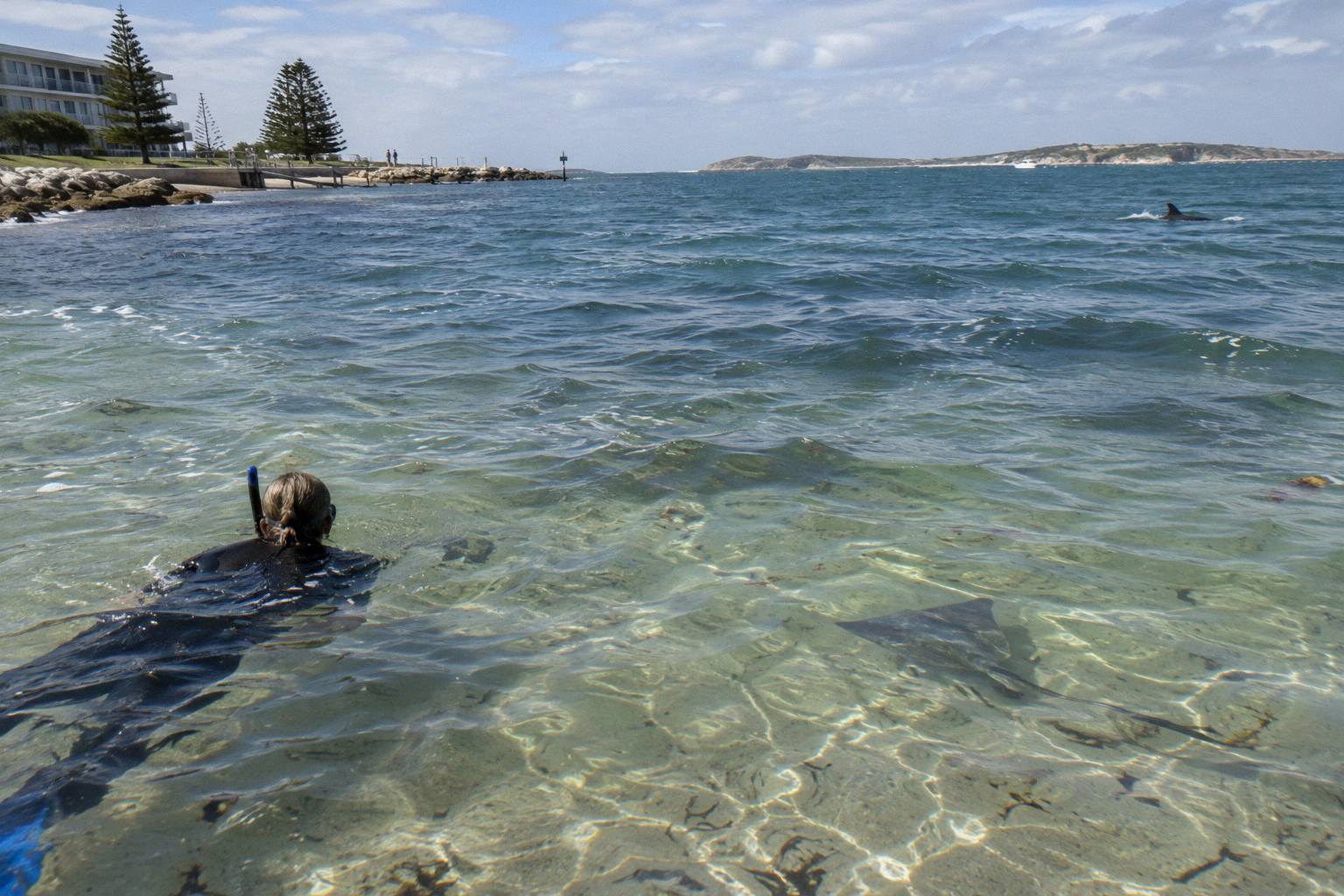
The dolphins living near Rockingham and throughout the wider Perth metro waters are Indo-Pacific bottlenose dolphins, known by the scientific name Tursiops aduncus. Murdoch University research identifies four discrete local communities in these waters: Cockburn Sound, the Swan Canning Riverpark, Owen Anchorage and Gage Roads. No source states how many dolphins live around Rockingham or Shoalwater, no census appears anywhere in the operator or research pages, and any specific figure you read for Rockingham should be treated as invented. The only population statement on any operator or official page belongs to Bunbury, and only on a Bunbury sentence.
What the operator does publish is behaviour, carefully framed as its own observations from running swims: hunting, mating and sleeping animals, dolphins chasing octopus and squid, hunting on the back of big stingrays, and occasionally a sea lion joining. That is a list of things seen over decades of cruises, not a forecast of your morning, and the operator presents it that way. It tells you the waters are working waters for these animals, which is consistent with the territorial and consistent description the operator gives of its local group.
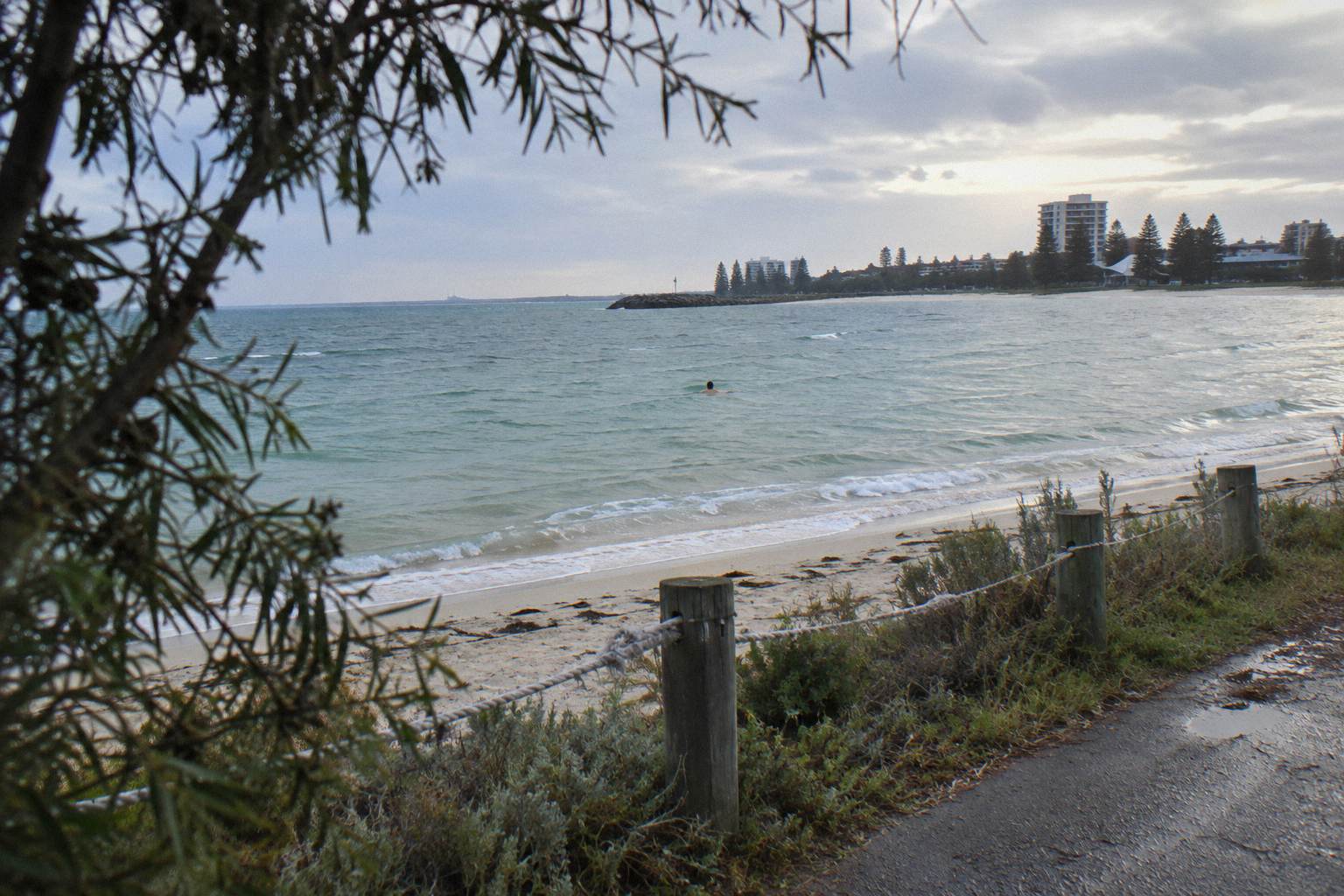
The Bunbury comparison is instructive for what a stated population looks like. The Dolphin Discovery Centre's research page says its Koombana Bay group averages about 50 animals, with another 100 or more visiting through the year, and the Centre describes itself as DBCA licensed and Advanced Eco-Tourism certified. That count is the Centre's own statement about its own bay. Rockingham's operators make no equivalent claim, and the position there is a blank, as the deeper comparison in Rockingham or Bunbury for a wild dolphin swim lays out across season, structure and terms.
For a reader converting biology into a booking decision, the takeaway is modest and real. Local communities that stay attached to defined home ranges are the reason a fixed departure point like Val Street Jetty can support a daily swim product at all, September to early June in the operator's stated season. The same biology means the animals can be elsewhere in that range on any given morning, which is precisely why the operator keeps the finish time open. For season timing questions more broadly, how far ahead to book a wild dolphin swim covers the booking side without promising anything about the water.
What Trips People Up When Booking On A Sighting Worry
What trips people up are three habits: treating one tour's come-again term as a blanket policy across every operator, assuming a phrase that sounds like a promise means a cash refund, and stacking a fixed appointment behind a cruise with an open finish time. Any one of these can leave you without the protection or the timing you thought you had. Each of those costs a traveller something concrete: a denied claim, a surprise at cancellation time, or a missed connection. Every term discussed here belongs to one tour and one booking channel, and the only money-back windows stated are the 24 hour cancellation terms on four booking pages. Nothing here promises dolphins.
A short checklist of questions to put to the operator or the booking page before paying, all drawn from what the operators state, catches nearly every trap. Ask which channel your terms fall under, direct or the booking page. Ask what exactly happens on a no-sighting day for the tour in front of you, and get it in writing. Ask whether your date sits inside the stated season, September to early June for Rockingham, November to April for Bunbury. Ask what the spectator option costs on the Rockingham cruise if anyone in your group is unsure about swimming. Ask how the comeback claim is made, the Mandurah term needs your booking reference.
| Question To Ask | Why It Matters | Where The Answer Sits |
|---|---|---|
| Which cancellation terms apply to my booking? | Operator-direct and booking-page terms differ in clock and outcome | Both, in writing before paying |
| What happens if no dolphins are sighted? | Come-again wording is per tour and per channel | The tour's own terms |
| Is my date inside the season? | Rockingham runs September to early June; Bunbury November to April | Operator pages |
| How long could the day run? | The Rockingham cruise is listed about 3 to 6 hours | Booking page |
| How do I claim a free return? | The Mandurah term needs the booking reference | Booking page wording |
Traveller types land differently on the same facts. A nervous first-time swimmer is accepted on the Rockingham cruise, the operator says no previous snorkelling experience is required, and a spectator seat is the escape hatch. A family with a child of 8 or over meets the Bunbury operator's minimum, but the child must swim with an accompanying adult, and confident swimmers of 12 and over may swim without one; a family with a 6 year old hits the Rockingham operator's plain statement that the cruise is not recommended for children 6 years or younger. A non-swimmer in the group stays dry on a Mandurah watching cruise or occupies a Bunbury observer spot, of which the Centre allows up to 4. Someone with a pacemaker, or who is pregnant, should note the operator's Shark Shield caution and raise it when booking.
Two final habits close the gap between worry and decision. Book the tour whose no-sighting wording you have actually read and could live with, whether that is a same-season free return or a 12 month rebook window on a cheap watching cruise. Then hold the booking-page cancellation window as your clean exit if the forecast, the ferry timetable or your plans turn against you, since it is the one term that returns cash rather than another morning on the water.
Common Questions About Dolphin Sightings On A Swim Trip
What Are Your Chances Of Seeing Dolphins On A Swim?
No operator or booking page states a rate, percentage or odds figure. The Rockingham operator describes its local dolphins as territorial and very consistent after over 25 years, and keeps the cruise open-ended so the crew can keep searching. The Bunbury operator states a free return if none are sighted, for bookings made direct with the operator.
What Happens If No Dolphins Show Up?
Each tour applies its own wording. The Rockingham operator offers a come-again cruise free of charge in the same season, direct bookings only, not a refund. Both Mandurah cruise booking pages describe a return-free-until-you-see-them term. The Penguin Island And Dolphin Cruise states nothing, so ask the operator.
Do You Get A Refund If No Dolphins Appear?
Absent dolphins by themselves do not trigger a cash refund anywhere in the stated terms. Cash returns only through a cancellation window: four booking pages show free cancellation up to 24 hours before departure. The come-again and make-good terms pay out in another cruise, not money.
Which Tour Is Best If You Are Worried About A No-Show Day?
There is no best, only trade-offs. The Mandurah Dolphin Cruise, from A$47 per person for 75 minutes, is the smallest stake, and its booking page still describes a free return if none are sighted. The Rockingham swim, from A$249.72 per person, is the largest stake, offset by the open-ended search time and the operator's come-again term.
How Long Does The Rockingham Cruise Search For Dolphins?
The booking page lists about 3 to 6 hours depending on dolphin sightings, and the operator states the cruise has no fixed finish time so the crew can keep searching. Plan the whole morning around the longer end rather than a fixed return.
Are Dolphin Sightings Promised?
The word belongs to two statements only. The Bunbury operator says if no dolphins are sighted you go again free, for bookings made direct with the operator. The Mandurah Dolphin Cruise's booking page uses the word while stating that dolphins are wild and no sighting is promised. No tour here promises you will see dolphins.