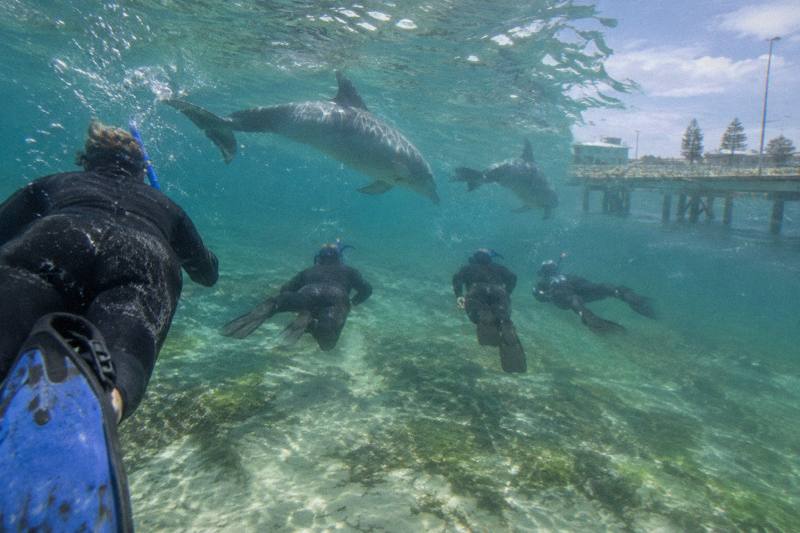
What Do You Wear To Swim With Dolphins?
What the Rockingham and Bunbury wild dolphin swims supply, what you bring yourself, and what to ask the operator before you pack your bag.
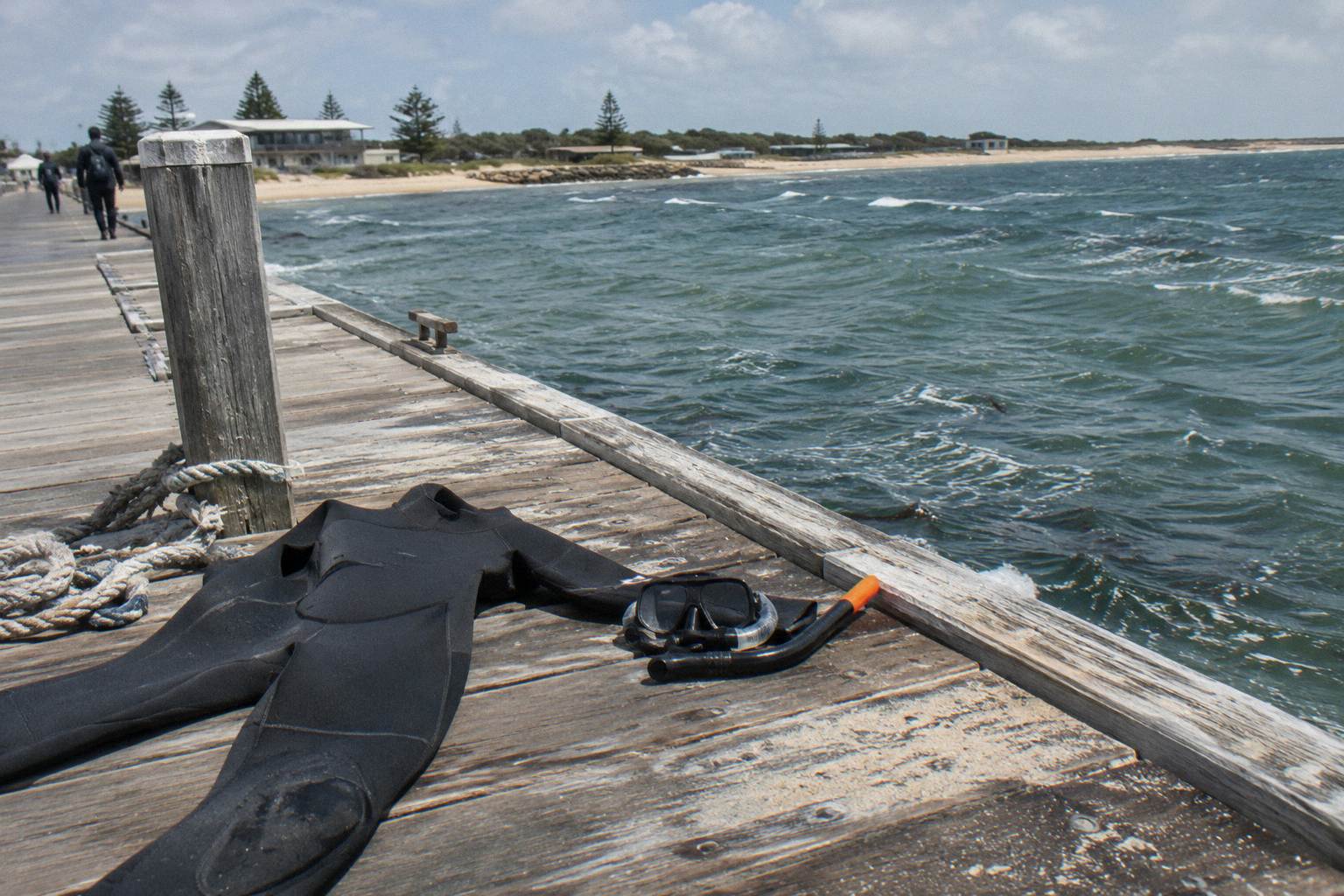
In short: you wear a wetsuit, a mask and a snorkel, and on the two paid swims near Perth and Bunbury the operator supplies all of it. Perth Wildlife Encounters hands the Rockingham Wild Dolphin Swim its 4 mm full-length suits in adult and children's sizes, and the Dolphin Discovery Centre does the same for the Bunbury Wild Dolphin Swim, adding fins and a buoyancy vest if required. Your own bag carries the smaller things, and a few items are simply not stated by either operator and worth one quick question when booking.
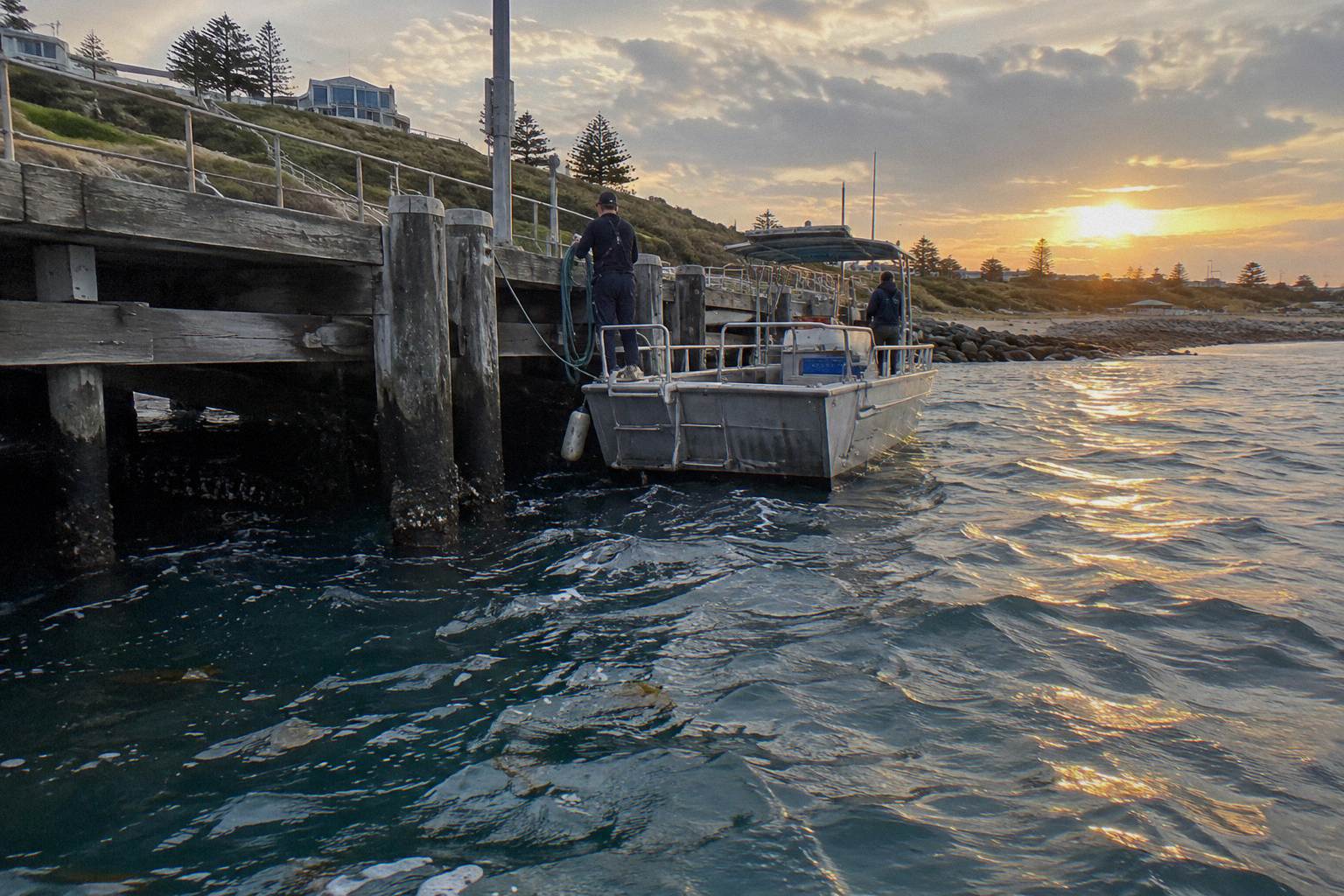
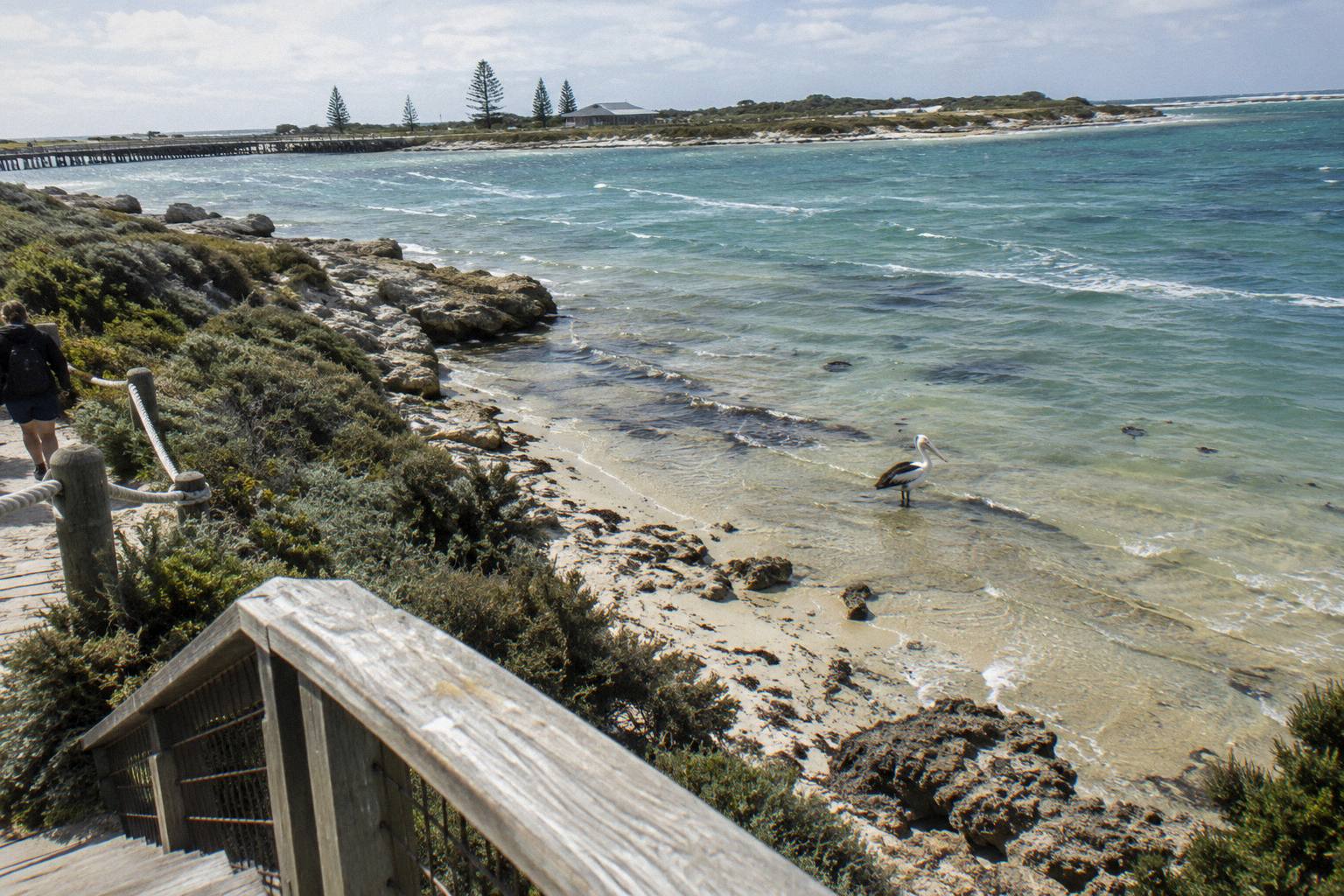
The question matters more than it sounds, because a wild dolphin swim is not a beach day. The swims run from Val Street Jetty at Rockingham and from Anchorage Cove at Koombana Bay in Bunbury, and the gear list decides whether a child, a nervous first timer or a non-swimmer on the boat has a workable day. The detail below comes from the operators' own pages and from the booking pages for the five dolphin tours covered here, so every item is attributed to the operator that states it.
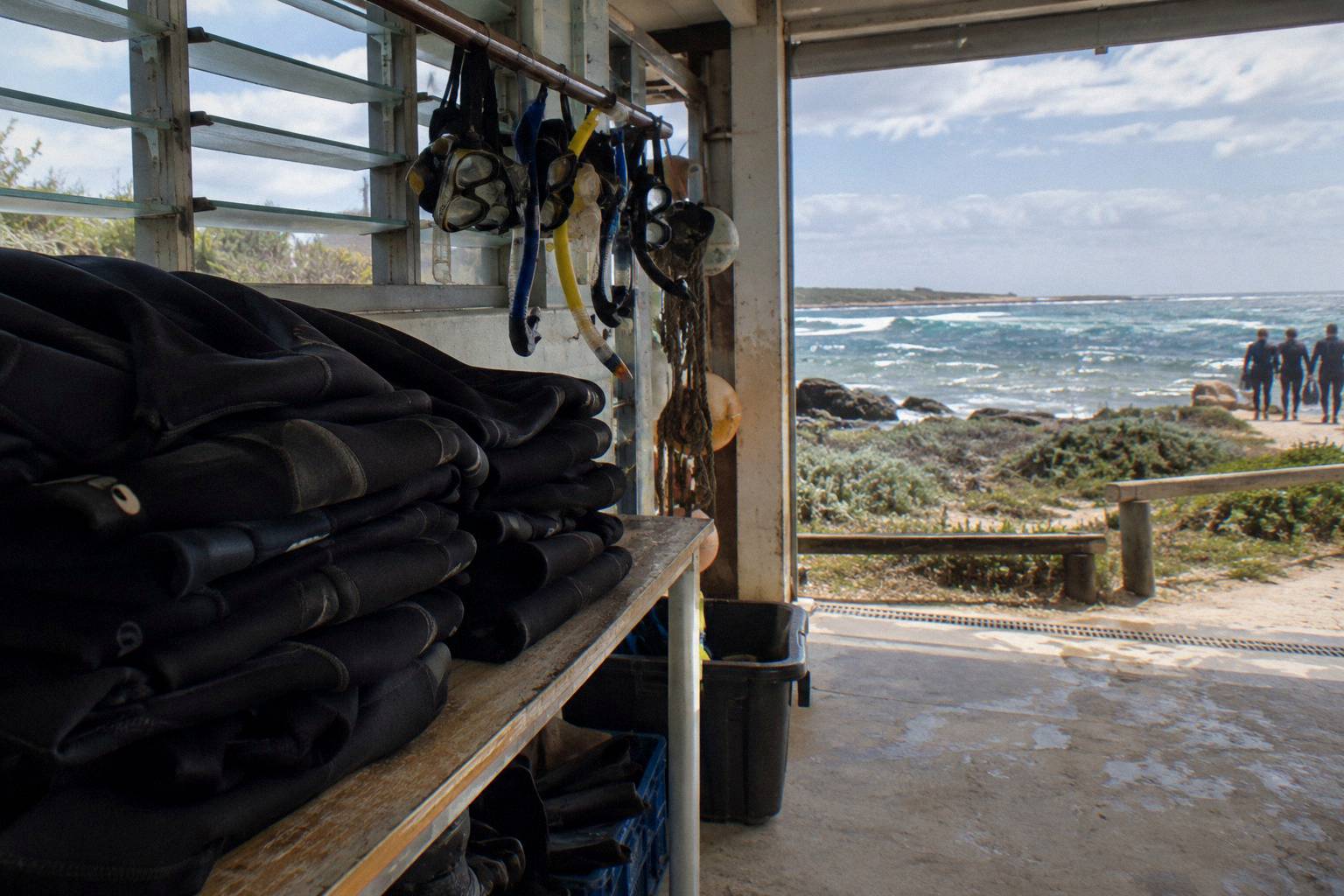
To swim with dolphins you wear a full-length wetsuit with a mask and snorkel, and you do not need to own any of it, since both swims supply the kit. Perth Wildlife Encounters provides a 4 mm full-length wetsuit, mask, snorkel and introductory lesson at Rockingham, while the Dolphin Discovery Centre at Bunbury supplies a wetsuit, mask, snorkel, fins and a buoyancy vest if required.
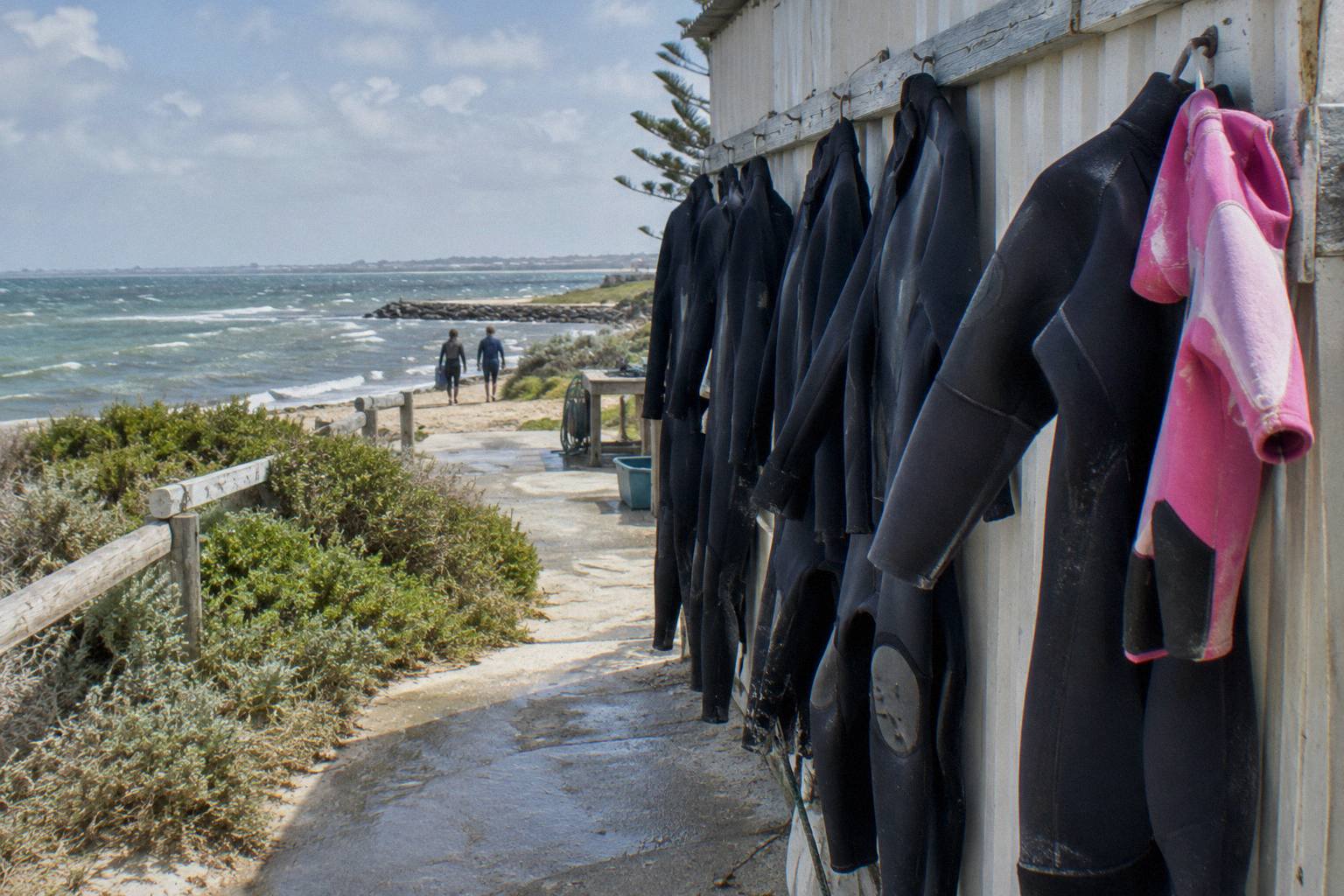
That is the whole headline. Neither operator asks you to arrive with your own wetsuit, and the Rockingham operator states plainly that "no previous snorkelling experience is required", which tells you the gear is treated as beginner equipment, not technical gear. The suit does several jobs at once on both swims: the Rockingham operator's own description notes the buoyancy, and the Dolphin Discovery Centre lists changing rooms, storage and hot showers at its Koombana Bay base, so the before-and-after of changing is built into the day rather than improvised in a car park.
The two swims differ in style, and the kit reflects that. At Rockingham the entry is in small groups of up to 7, each led by a guide on an aqua scooter who tows the group while guests hold the guide's belt and stay at the surface; a second guide on a solo scooter works around the group. The suit and snorkel are all you need for that. At Bunbury the swim is a 4-hour guided experience in Koombana Bay with fins part of the supplied set, and the operator requires swimmers to be independent and confident in the water, with children 8 and over accompanied by a swimming adult. If you are weighing the two swims against each other, the comparison of the Rockingham and Bunbury dolphin swims breaks down season, ages and terms side by side, and the guide to wetsuits and water temperature on a wild dolphin swim covers the thermal side in depth.
One boundary is worth setting early, because it changes what "wearing" means. The three cruises, the Penguin Island And Dolphin Cruise and the two Mandurah dolphin cruises, are watching tours from a boat, so ordinary clothes and a warm layer are all that applies there. Swim gear belongs to the two paid swims only.
What The Rockingham Swim Supplies, And What It Asks Of You
The Rockingham Wild Dolphin Swim supplies a 4 mm full-length wetsuit, a mask, a snorkel and an introductory snorkel lesson, with children's wetsuits available in small sizes, and that is the full stated kit. Perth Wildlife Encounters, the operator, says the suit "keeps you very buoyant" and notes hoods for cooler water in its FAQ. Underlayers, towels, footwear and sun protection go unmentioned, so ask about them when booking.
The detail comes from the operator's own swim page, which walks through the day: once dolphins are located, guests zip up wetsuits, put on mask and snorkel and go to the swim deck. The operator's swim page is the source for the group mechanics too, the groups of up to 7 towed by an aqua scooter guide, guests holding the guide's belt, staying at the surface. No touching and no feeding are the stated rules of the water, and the crew wear Shark Shields; the operator says people with pacemakers or who are pregnant must not use the Shark Shield and should avoid swimming near anyone using one, which is a clothing-adjacent consideration worth knowing when you choose where in the group to swim.
Two fit notes from the operator matter for what you wear. Buoyancy aids are not recommended, and the operator states that "if you feel your child needs a buoyancy aid this cruise is definitely not suitable", so the wetsuit itself is the flotation plan. And the age guidance is specific: the swim is "not recommended for children 6 years or younger", parents supervise their own children in the water, and children are not left on board unsupervised. If a younger sibling is coming along, the operator says a spectator option exists, with no price stated, and the guide to whether under 7s can watch from the boat covers that scenario.
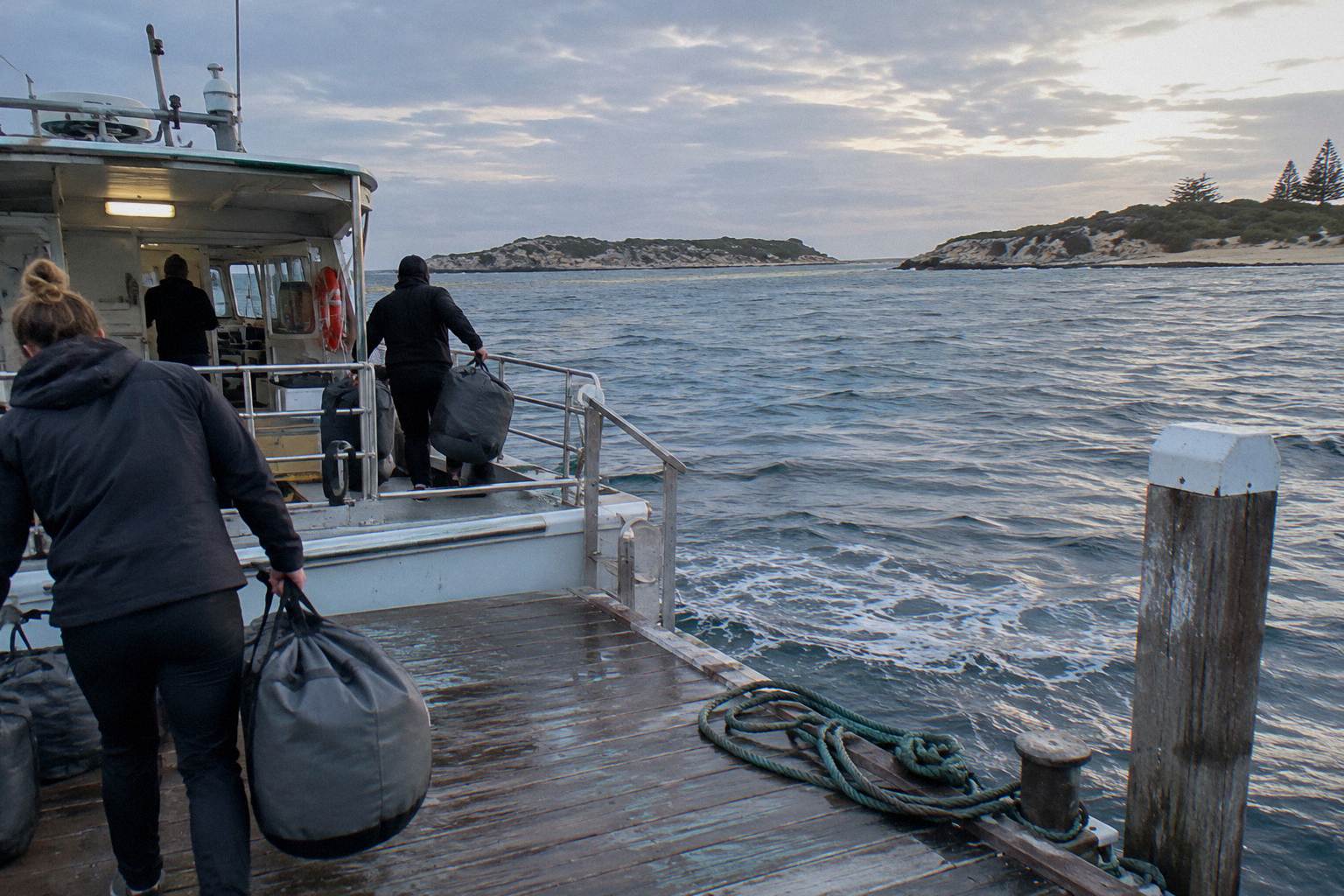
The cruise meets at Val Street Jetty, Rockingham, with the exact meeting point on the booking confirmation, runs about 3 to 6 hours depending on dolphin sightings because the crew keep searching with no fixed finish time, and is priced from A$249.72 per person on the booking page, which also shows free cancellation up to 24 hours. Season is September to early June. For a fuller walk-through of the day itself, the guide to what happens on a wild dolphin swim day goes section by section, and the question of how far ahead to book a wild dolphin swim covers timing.
The Rockingham Wild Dolphin Swim is the swim to pick if the supplied-suit model appeals: check the Rockingham Wild Dolphin Swim page for dates and options, or check availability to see live dates and the cancellation window before you commit.
What The Bunbury Swim Supplies
The Bunbury Wild Dolphin Swim supplies a wetsuit, mask, snorkel and fins, with a buoyancy vest if required, and the base at Koombana Bay adds changing rooms, storage and hot showers after the swim. The Dolphin Discovery Centre, the operator, runs the 4-hour guided swim daily at 7:45 am from November to April, and the booking page adds wetsuits in all sizes, floating devices, fresh drinking water, a snack and a tea and coffee station.
The Centre's swim page is the source for the operator-side kit and the swimming standard: swimmers must be 8 and over, independent and confident, children swimming must be accompanied by a swimming adult, and confident swimmers 12 and over may swim without one. Group sizes run from a minimum of 8 swimmers to a maximum of 20 swimmers and 4 observers, so the supplied gear is sized for a genuinely mixed group. Non-swimmers sit on the boat. The Centre describes itself as DBCA licensed and Advanced Eco-Tourism certified, and the resident Koombana Bay group is described on the Centre's research pages as averaging about 50 animals, with another 100 or more visiting through the year, a Bunbury statement only.
The two supplied-kit lists are close but not identical, and the differences are the decision. The table below sets only what each operator or booking page states, cell by cell, with no borrowing between swims.
| Item | Rockingham Wild Dolphin Swim | Bunbury Wild Dolphin Swim |
|---|---|---|
| Wetsuit | 4 mm full length, operator; children's sizes; hoods mentioned for cooler water | Wetsuit in all sizes, operator and booking page |
| Mask and snorkel | Supplied, operator | Supplied, operator |
| Fins | Not stated | Supplied, operator |
| Buoyancy aid | Not recommended, operator | Buoyancy vest if required, operator |
| Lesson | Introductory snorkel lesson, operator | Not stated |
| After the swim | Not stated | Changing rooms, storage, hot showers, booking page |
| Food and drink | Not stated | Water and a snack, operator; tea and coffee station, booking page |
| Minimum swimmer age | Not recommended for children 6 years or younger, operator | 8 and over, operator |
Price for the Bunbury swim is not stated on the booking page, so ask the operator or check the page for the current figure. The booking page shows free cancellation up to 24 hours, and the operator's direct terms, which apply only to bookings made direct with the operator, carry a come-again term: if no dolphins are sighted you go again free, with a full refund or reschedule up to 72 hours before. The two channels are separate and should never be mixed when you read the fine print; the guide to wild dolphin swim prices and what they include unpacks that distinction.
What You Wear Under The Wetsuit, And What To Pack Yourself
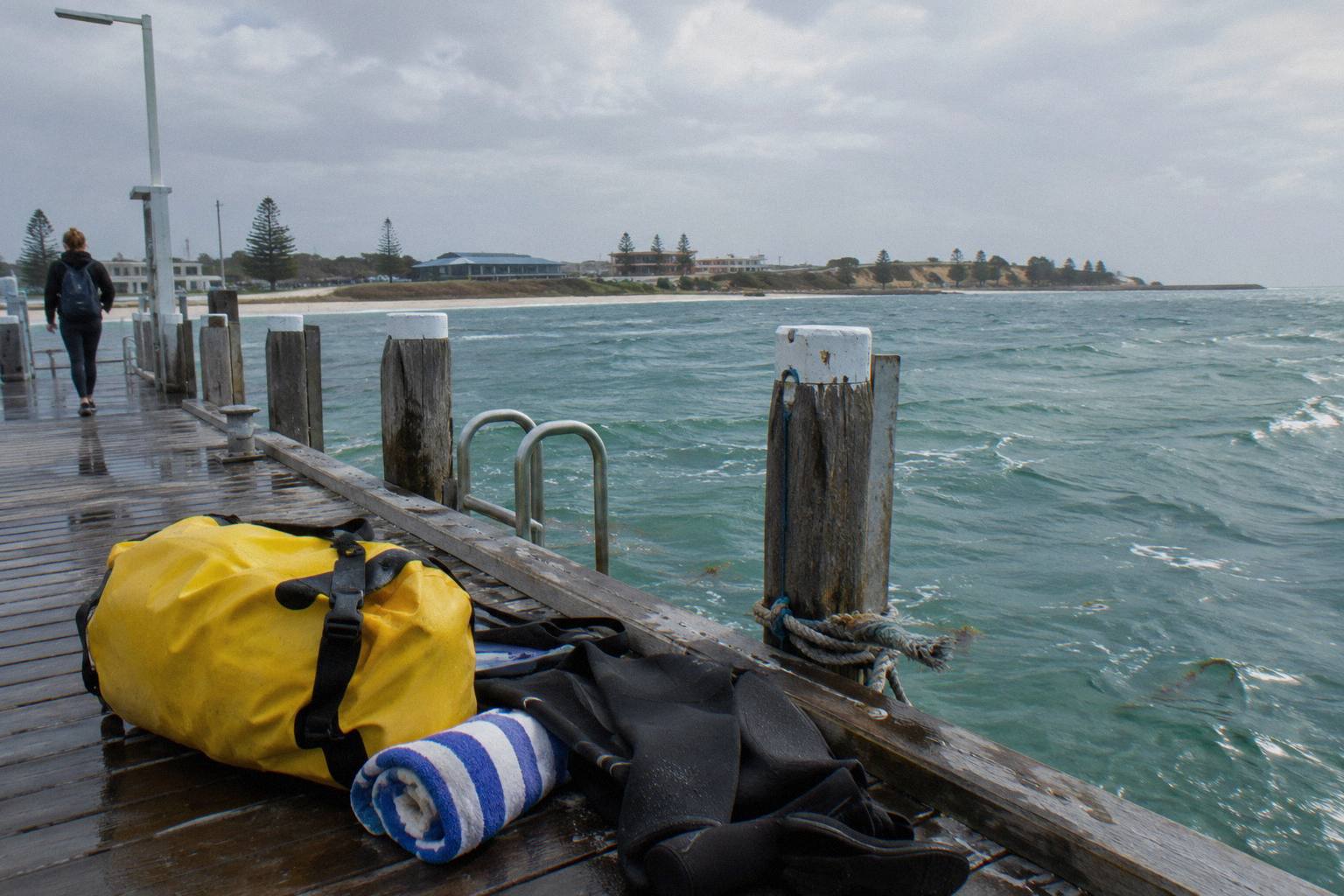
Neither operator specifies what to wear under the wetsuit, and neither confirms towels, sun protection, footwear or bags, so treat packing as your job: ask one question at booking about under-suit layers, then bring a small standard kit of your own to cover the rest. Swimwear that fits under a full-length suit, a towel, a warm dry layer for after, and a bag you can leave in storage or on shore covers what the operators leave unstated. Beyond that, the operators' own pages give you the shape of the day, and the shape of the day tells you what else earns its place in the bag.
Both swims build in changing facilities on the Bunbury side and an unspecified changing arrangement at Rockingham, so pack as if changing in a shared, functional space rather than a private room. The Rockingham cruise runs about 3 to 6 hours with no fixed finish time, the operator says a waiver is signed before boarding, and the crew film every swim and upload photos online, which answers the camera question for you: you do not need a waterproof camera in the water at Rockingham, because the crew already film it. The guide to whether you can take your own camera on a dolphin swim covers the details.
A workable checklist, built only from what the operators state, plus the unstated items flagged once:
- Swimwear to wear under the supplied suit: not stated by either operator; ask when booking.
- A towel and dry clothes for after: not stated; the Bunbury base lists hot showers, so both belong in the bag.
- Sun protection: not stated by either operator; the day includes time on deck, so ask and bring your own.
- Footwear: not stated by either operator; ask about the jetty and boarding conditions.
- A bag: the Bunbury booking page lists storage; ask the Rockingham operator about bag arrangements at Val Street Jetty.
- Motion sickness decisions are yours to make with a doctor or pharmacist, not the operator's; check the guide to seasickness on a dolphin swim boat if that is a factor.
The Shark Shield note from the Rockingham operator is the one medical-adjacent clothing consideration: people with pacemakers or who are pregnant must not use the device and should avoid swimming near anyone using one. Raise pacemaker or pregnancy questions with the operator when booking and with your doctor, the same as any swimming restriction on either tour.
Do You Need To Be A Strong Swimmer Or Have Snorkelled Before?
At Rockingham the operator states that "no previous snorkelling experience is required" and that nervous swimmers are accepted, with the wetsuit itself described as keeping you very buoyant and guests holding a guide's belt while towed at the surface. At Bunbury the standard is firmer: swimmers must be 8 and over, independent and confident, and children must be accompanied by a swimming adult, with confident swimmers 12 and over allowed to swim without one.
Those two sentences are the entire stated swimming bar on each side, and neither operator adds a distance test, a fitness test or a weight limit. The Rockingham model, towed in a group of up to 7 behind a guide's aqua scooter, staying at the surface, is the one the operator explicitly opens to beginners. The guide to whether non-swimmers can join a wild dolphin swim and the first timer's checklist for a wild dolphin swim both work through the scenario in more depth.
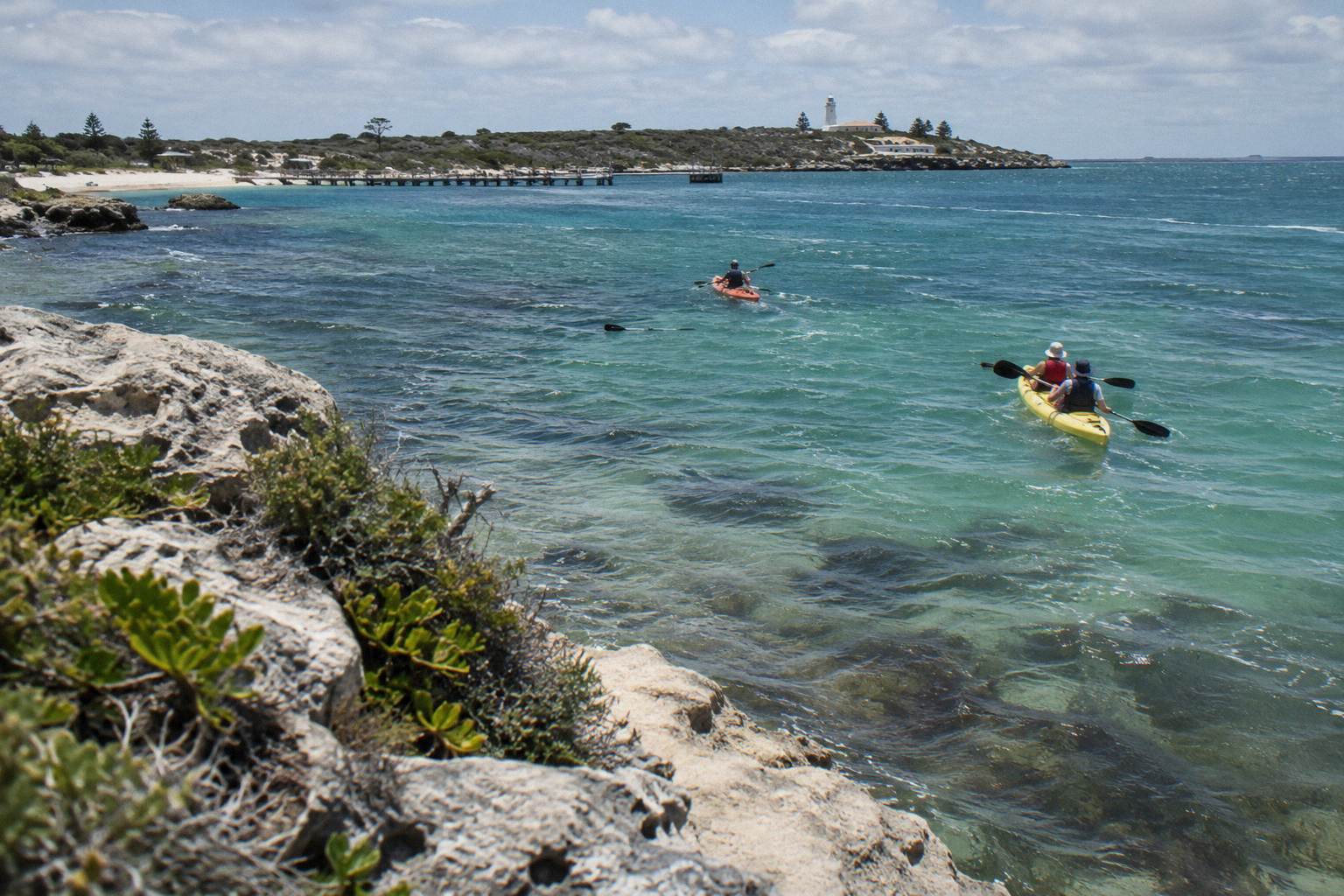
The buoyancy point deserves its own sentence, because it answers the most common packing worry. The Rockingham operator's own FAQ wording is that the 4 mm suit "keeps you very buoyant", and it is also why the operator does not recommend separate buoyancy aids and states that a child who needs one should not take the cruise. At Bunbury the equivalent is the supplied buoyancy vest "if required", listed by the operator. So flotation is a supplied-and-managed item on both swims, in opposite ways, and neither operator expects you to bring your own.
If the swimming standard is the sticking point for someone in your group, the watching alternatives keep the day alive without the water. The Penguin Island And Dolphin Cruise runs about 1 hour 30 minutes from the Shoalwater base at 153 Arcadia Drive, watching only, and the guide to choosing between a swim and a watching cruise compares the two formats directly.
Wetsuits, Water Temperature And Children's Sizes
The Rockingham operator states water runs "18 in September through to 25 degrees Celsius during the summer and autumn", and seatemperature.org lists monthly averages for the Mandurah coast, the nearest listed place, ranging from 18.3 in September to 22.8 in March. The 4 mm full-length suit is the operator's answer across that whole range, supplied in adult sizes and in children's small sizes, with hoods mentioned for cooler water.
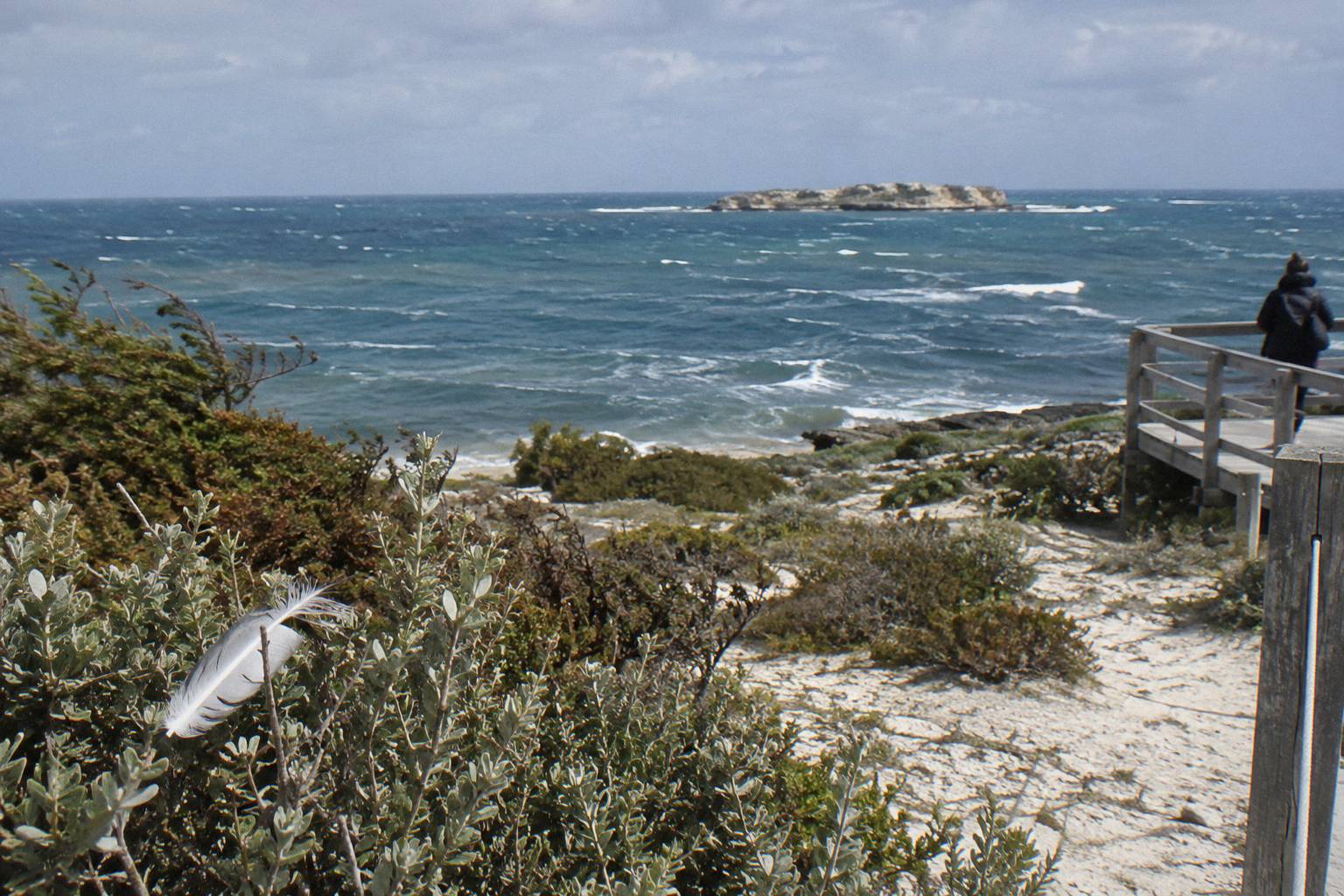
The two temperature sources sit side by side without being merged. The operator's figure is the operator's claim; the seatemperature.org averages for the Mandurah coast are a secondary table, and the monthly means look like this:
| Month | Mandurah coast average C, seatemperature.org |
|---|---|
| January | 21.4 |
| February | 22.2 |
| March | 22.8 |
| April | 22.2 |
| May | 21.7 |
| June | 20.8 |
| July | 19.6 |
| August | 18.9 |
| September | 18.3 |
| October | 18.4 |
| November | 19.2 |
| December | 20.5 |
Read the table against the season, September to early June for the Rockingham swim and November to April for the Bunbury swim, and the suit logic explains itself. The coldest listed month on the averages table, September at 18.3 °C, is the opening month of the Rockingham season and the month the operator's own figure gives as 18 °C. The warmest listed average, 22.8 in March, sits inside both seasons. That is also why the operator mentions hoods for cooler water while supplying the same 4 mm suit all season: the suit is the constant, the extras flex with the month. The guide to the best month for a wild dolphin swim treats the timing question on its own terms.
Children's sizing is the one wardrobe item the Rockingham operator addresses directly, and it does so twice: children's wetsuits come in small sizes, and the cruise is not recommended for children 6 years or younger, with parents responsible for supervising their own children in the water. The guide to how old kids need to be to swim with dolphins covers the age rules across both swims. If a child's suit fit is in question, the question to ask at booking is a size question, not a buoyancy question, because the operator has already answered the buoyancy one.
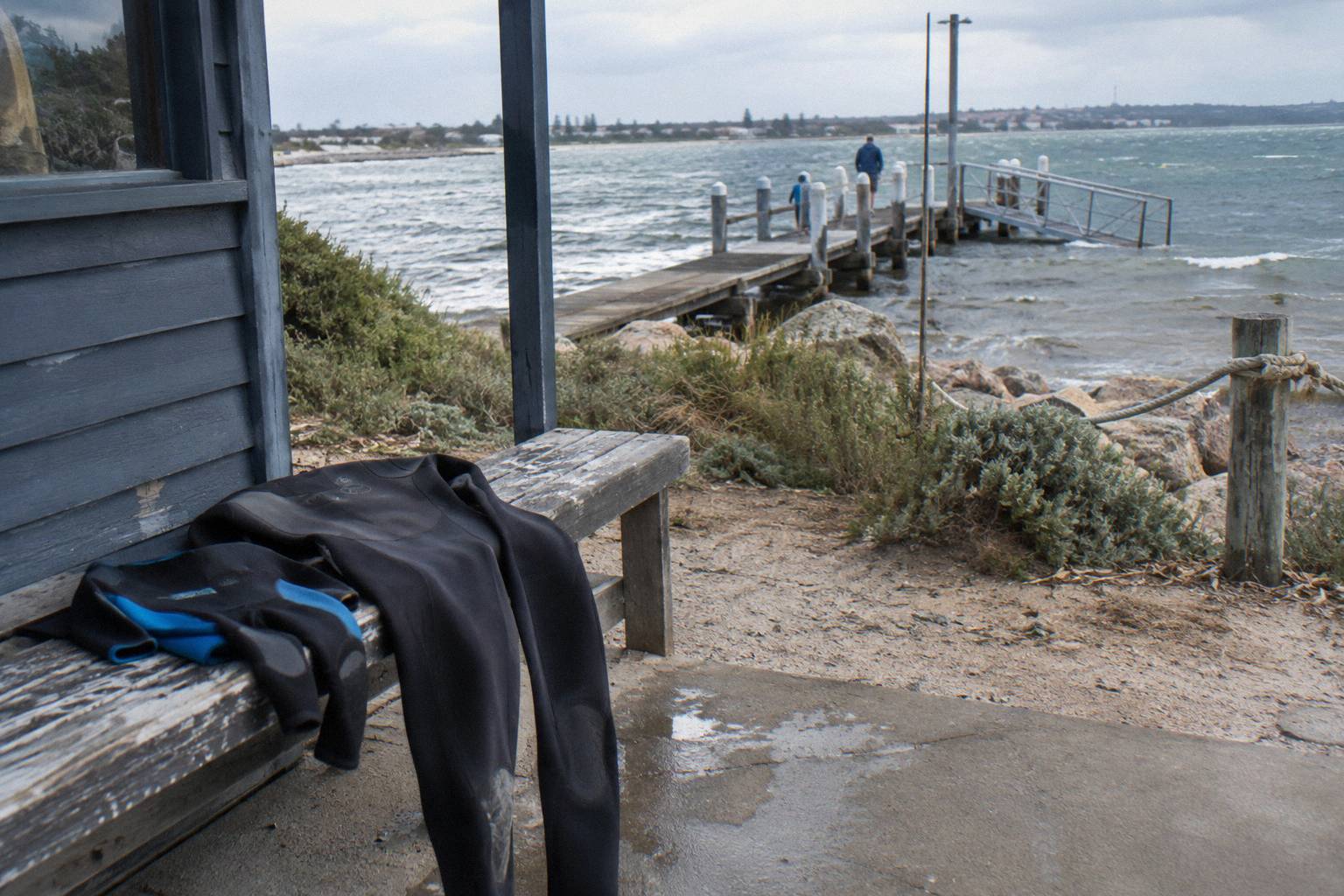
Footwear, Sun Protection And Everything Not On The Supplied List
Footwear, sun protection, towels, bags and swimwear under the suit are all not stated by both operators, and none of them appears on any supplied-gear list for either swim, so each one is a question for the operator at booking rather than an assumption. What is stated is narrower and firmer: the Bunbury booking page lists changing rooms, storage and hot showers, and the Rockingham operator states a waiver is signed before boarding and that crew film every swim.
The pattern across both operators' pages is that the in-water kit is described in detail and the on-land kit is left thin, which makes sense given what each page is for, but it leaves gaps you should close deliberately rather than guess at. A short message at booking, asking about under-suit swimwear, footwear on the jetty, towel and changing arrangements at Val Street Jetty, and sun protection on deck, takes a minute and prevents the two avoidable failures of the day: a child with no towel after a hot shower at Bunbury, or sunburn earned during a 3 to 6 hour cruise at Rockingham where the crew keep searching with no fixed finish time.
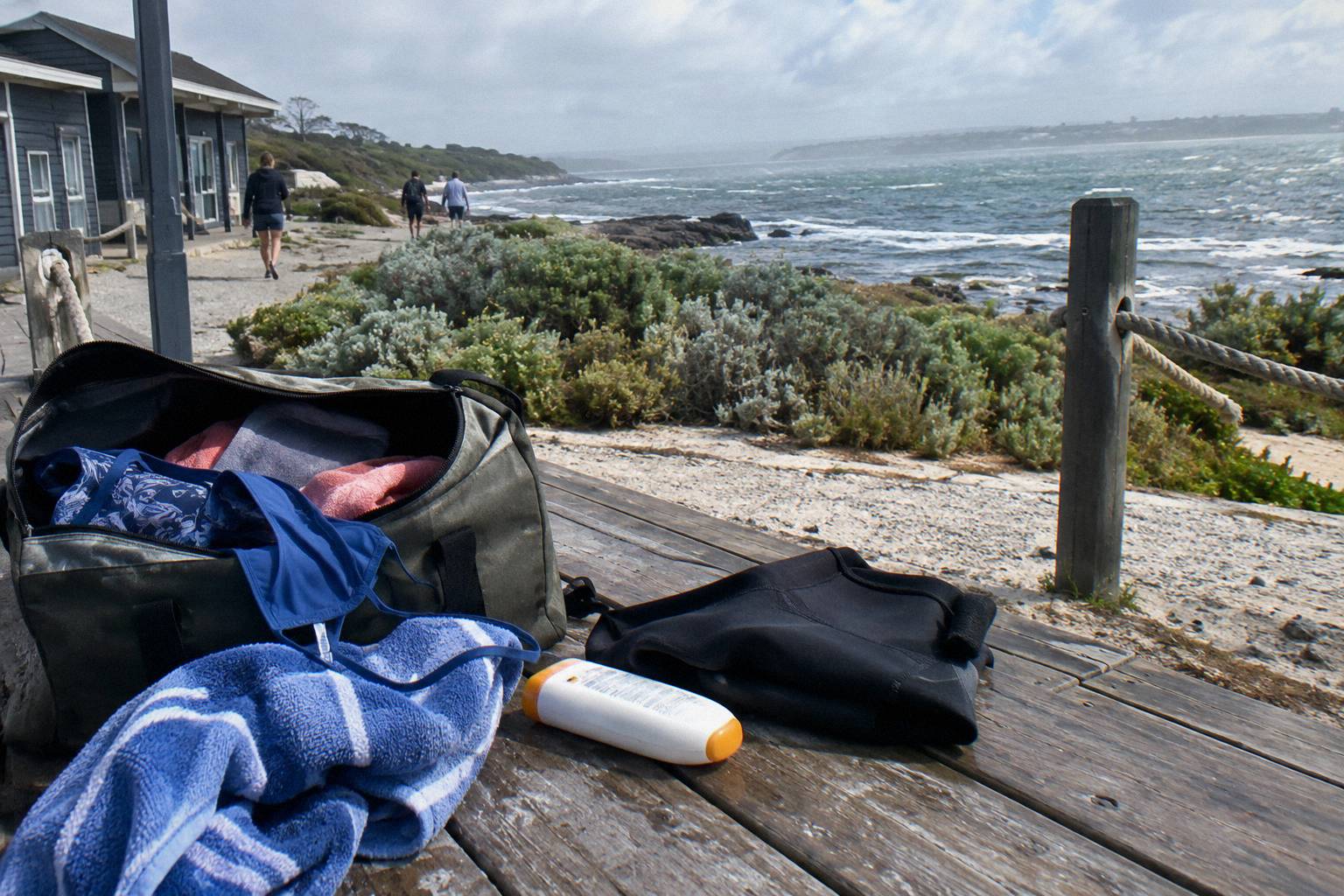
State the gaps once, plainly, and then plan around them. What is not stated: swimwear under the wetsuit, towels, sun protection, footwear, bag arrangements at the Rockingham jetty, food and drink on the Rockingham cruise. Ask the operator; check the booking page. Nothing else in your bag is a mystery.
One item you can leave out with confidence at Rockingham is a waterproof camera. The operator states the crew film every swim and upload the photos online, so the in-water footage exists whether or not you bring your own device. Bunbury makes no equivalent statement, so the camera question there is the same ask-at-booking item as the rest, and the guide to taking your own camera on a dolphin swim is the place to weigh it.
The rules of the water also shape what you wear in a broader sense. Under the WA Biodiversity Conservation Regulations 2018, a swimmer must not touch or attempt to touch marine fauna, with a fine of AUD 10,000, and must not obstruct or interfere with the natural movement of marine fauna, with a fine of AUD 5,000; the regulation text sets it out. Both operators state no touching and no feeding in their own words. Nothing you wear changes those rules, but gloves, jewellery or anything that invites contact is obviously off the list, and both operators' briefings cover the same ground before you enter the water. The guide to how close you can get to wild dolphins in the water covers the distance rules, 50 m for a person in the water under a general approach and licensed closer work on the commercial swims, and the guide to whether it is safe to swim with wild dolphins treats suitability candidly.
What To Wear If You Are Watching From The Boat Instead
On the three watching tours you wear ordinary clothes, a warm layer and whatever sun protection you bring, because nobody enters the water on any of them. The Penguin Island And Dolphin Cruise, the Mandurah Dolphin Cruise and the Mandurah Giants And Dolphin Cruise are boat tours only, about 1 hour 30 minutes, 75 minutes and 2 hours respectively, so the packing question collapses to weather gear and nothing else.
The distinction is absolute and worth repeating once, because it changes the bag entirely. There is no swim, and no swim gear, on any of the three cruises. The Penguin Island And Dolphin Cruise meets at the operator base, 153 Arcadia Drive, Shoalwater, and states a duration and nothing else beyond that: price, rating, inclusions and cancellation are all not stated. The Mandurah Dolphin Cruise, rated 4.5 across 1,090 reviews and priced from A$47 per person, includes live commentary from a skipper and local expert, states hotel pickup is not included, and describes free parking close to the departure point. The Mandurah Giants And Dolphin Cruise, rated 4.8 across 87 reviews and priced from A$85 per person, runs on a SuperCat with a large open front and upper and lower decks, states a fish-and-chip lunch is not included, and says soft drinks and light snacks can be bought on board or brought your own, which is the only food-and-drink statement among the cruises and the one item worth adding to a watching bag: your own snacks if you want them.
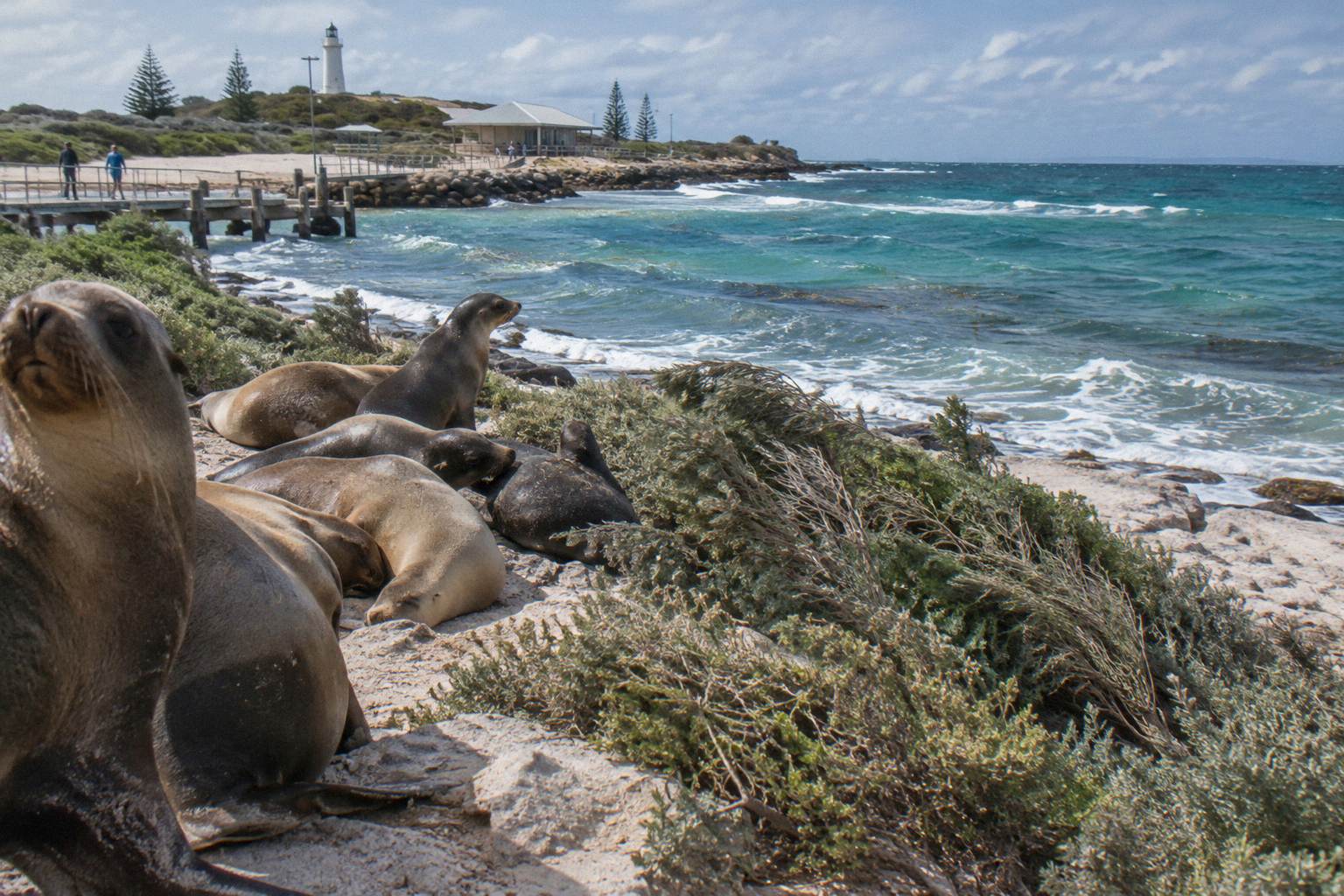
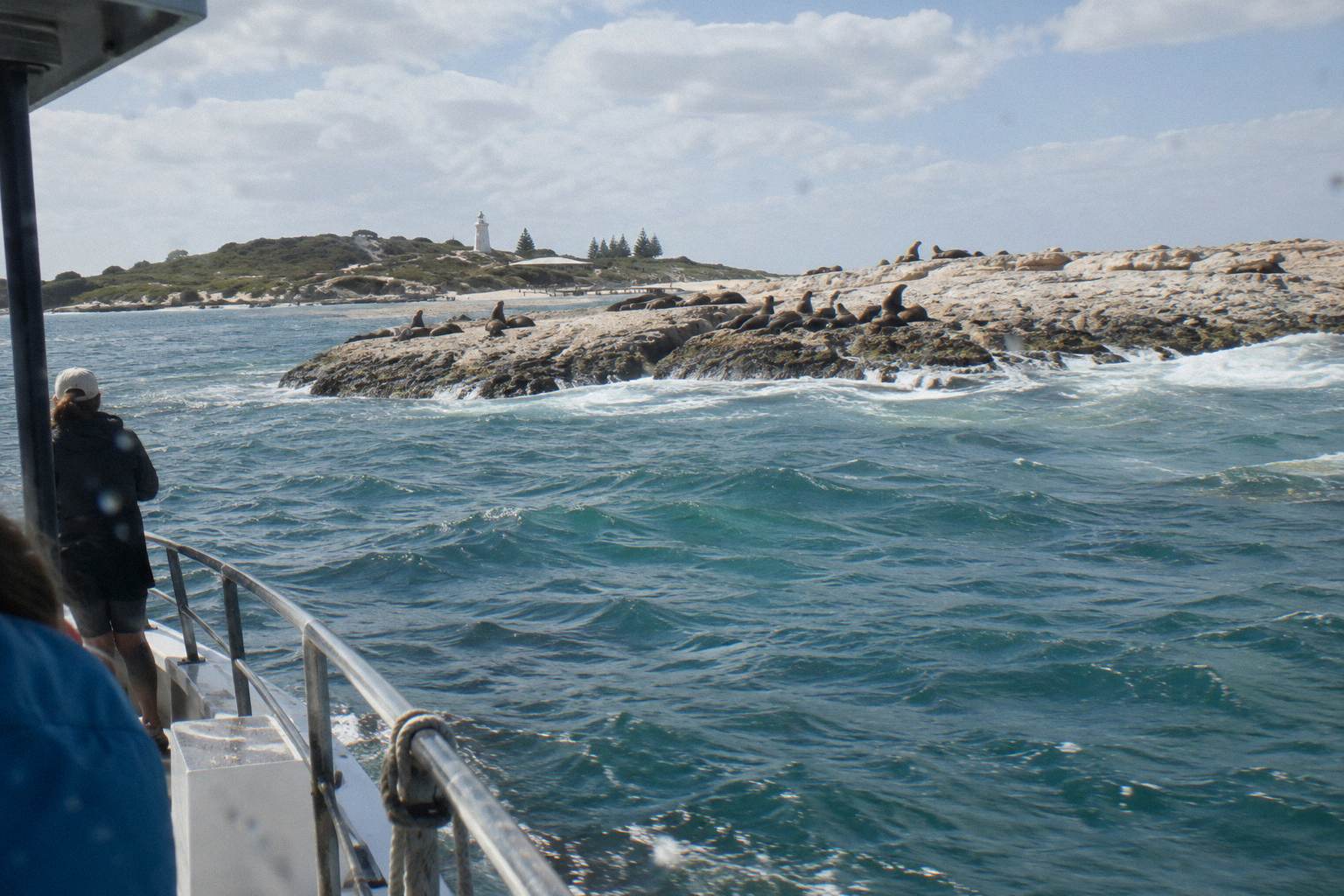
Both Mandurah cruise booking pages show free cancellation up to 24 hours, and both describe their own come-again terms if no dolphins are sighted, each worded for that tour only. The Shoalwater setting itself is described on the park page for Shoalwater Islands Marine Park, which notes free entry and sea lions on Seal Island, a separate wildlife matter from the dolphin cruise. For a day built around both formats, the guide to a Penguin Island and dolphin swim combined day plans the sequence.
What Trips People Up When Packing For A Dolphin Swim
The recurring mistakes are assuming, bringing a buoyancy aid for a child at Rockingham when the operator has said the cruise is not suitable in that case, treating the Bunbury direct-booking terms as the booking page's terms, and arriving with no plan for the items neither operator states. Each one is avoidable with one question at booking and a plain reading of each operator's own wording, attributed to the swim it belongs to.
The first trap is assuming kit crosses over. Fins are supplied at Bunbury and not stated at Rockingham; hot showers are stated at Bunbury and not stated at Rockingham; the introductory lesson is stated at Rockingham and not at Bunbury. Pack for the swim you actually booked, using that operator's list only. The second trap is the buoyancy aid, covered above: the Rockingham operator's wording is unambiguous, and arriving with an aid the operator does not recommend puts the crew in a difficult position on the day.
The third trap is mixing cancellation channels. The Rockingham and Bunbury booking pages both show free cancellation up to 24 hours, while the operators' own refund and come-again terms, the Rockingham free return within the current season and the Bunbury 72-hour window with the operator's come-again term: if no dolphins are sighted you go again free, apply only to bookings made direct with the operator. Neither set of terms transfers to the other channel, and the guide to refunds when no dolphins show up separates them in full. The fourth trap is clothing for the wrong tour: full wetsuit preparations for a watching cruise, or street clothes and no towel for a 3 to 6 hour swim day with a hot-shower base at the Bunbury end.
A closing word on where this fits. The kit question is one part of a bigger decision, and Rockingham Swim With Dolphins exists to make that whole decision plain: which swim, which format, which month, and what each operator actually states. The Rockingham Wild Dolphin Swim, rated 4.7 across about 685 reviews, from A$249.72 per person, is the featured swim on these pages, and its supplied kit, the 4 mm suit, mask, snorkel and lesson, is the baseline every packing list above starts from.
Common Questions About What To Wear To Swim With Dolphins
What Do You Wear To Swim With Dolphins?
A full-length wetsuit with a mask and snorkel, and on the Rockingham Wild Dolphin Swim and the Bunbury Wild Dolphin Swim the operator supplies all of it: Rockingham a 4 mm suit with children's sizes and an introductory lesson, Bunbury a suit, mask, snorkel and fins with a buoyancy vest if required. You add your own swimwear, towel and dry clothes.
Do You Need Your Own Wetsuit Or Snorkel?
No. Perth Wildlife Encounters supplies the wetsuit, mask and snorkel for the Rockingham swim, and the Dolphin Discovery Centre supplies the wetsuit, mask, snorkel and fins for the Bunbury swim. Neither operator states a requirement to bring your own.
What Do You Wear Under The Wetsuit?
Not stated by either operator. Ask when booking; swimwear that fits under a full-length suit is the standard assumption, but the operator's answer is the one that counts for your swim.
Can Children Get A Wetsuit That Fits?
At Rockingham the operator states children's wetsuits come in small sizes, and the swim is not recommended for children 6 years or younger, with parents supervising their own children in the water. At Bunbury swimmers must be 8 and over and accompanied by a swimming adult.
Is The Water Cold Enough To Need A Hood?
The Rockingham operator states water runs 18 °C in September to 25 °C through summer and autumn, and mentions hoods for cooler water in its FAQ. seatemperature.org lists the Mandurah coast averages from 18.3 °C in September to 22.8 °C in March. Hoods are the operator's cooler-water extra, not a stated standard issue.
What Should People Watching From The Boat Wear?
Ordinary clothes and a warm layer. The Penguin Island And Dolphin Cruise, the Mandurah Dolphin Cruise and the Mandurah Giants And Dolphin Cruise are watching tours with no water entry, so sun protection and weather gear are the only considerations.