What The Boat Is Like On A Wild Dolphin Swim Trip
Neither swim operator describes the boat itself, but the group sizes, crew setup and on-board rules are stated clearly, and they shape the day more than the hull does.
Short answer
The swim operators do not describe their vessels: no boat name, size or capacity is stated for the Rockingham or Bunbury swim. What is stated is the human scale: Rockingham enters the water in groups of up to 7, each towed by a guide on an aqua scooter; Bunbury takes 8 to 20 swimmers plus up to 4 observers on a 4-hour swim.
The Short Version
- No vessel name, size or capacity is stated for either dolphin swim; the operators describe their groups and crew instead.
- Rockingham enters the water in groups of up to 7, each towed by a guide on an aqua scooter, with a second guide on a solo scooter working the dolphins around the group.
- Bunbury runs 8 to 20 swimmers with up to 4 observers over about 4 hours in Koombana Bay.
- The Mandurah Giants And Dolphin Cruise describes its SuperCat with a large open front, upper and lower decks and large windows; that description belongs to that tour only.
- WA rules set 50 m as the separation distance for a person in the water and 100 m for a vessel; commercial swims operate under their own DBCA authorisation.
Start with the parent context in the guide to what actually happens on a wild dolphin swim day, then come back here for the one part of the picture the sources are quiet on: the boat itself.
| Question | What is stated |
|---|---|
| Swim vessel description | Not stated for either swim |
| Rockingham water groups | Up to 7 per scooter-led group, operator |
| Bunbury group size | Minimum 8, maximum 20 swimmers and 4 observers, operator |
| Rockingham duration | About 3 to 6 hours depending on sightings, booking page |
| Bunbury duration | About 4 hours, daily 7:45 am start, operator |
| Watching cruise vessels | SuperCat described for the Mandurah Giants tour only |
| Minimum ages | Rockingham not recommended for children 6 or younger; Bunbury swimmers 8 and over |
Neither swim operator publishes a description of the vessel it uses: no boat name, length, capacity, deck layout or toilet arrangement is stated for the Rockingham Wild Dolphin Swim or the Bunbury Wild Dolphin Swim. The only way to close that gap is to ask the operator directly before booking. What the operators do state, in detail, is the part that shapes the day far more: how the people are organised once the boat stops.
The silence is not carelessness. Perth Wildlife Encounters, the operator of the Rockingham swim, describes its fleet on its own about page without tying any named vessel to the dolphin swim cruise, so no boat can be attached to that trip here. The Dolphin Discovery Centre at Bunbury likewise describes its swim through its crew, its group sizes and its gear rather than through a hull. A reader picturing the day on the water therefore has two sources of mental imagery: the water-phase mechanics, which are described precisely, and the watching cruises, where one vessel is described.
The silence also has a practical upside for a buyer. Because neither operator sells the boat, neither sells the trip on the boat. The Rockingham product is sold on its scooter method, its crew-to-group structure and its season; the Bunbury product is sold on its bay, its licensed status and its stated swimmer numbers. When a tour operator describes the people rather than the vessel, the questions worth asking before booking are all people questions, and the checklist near the end of the page is built entirely from them.
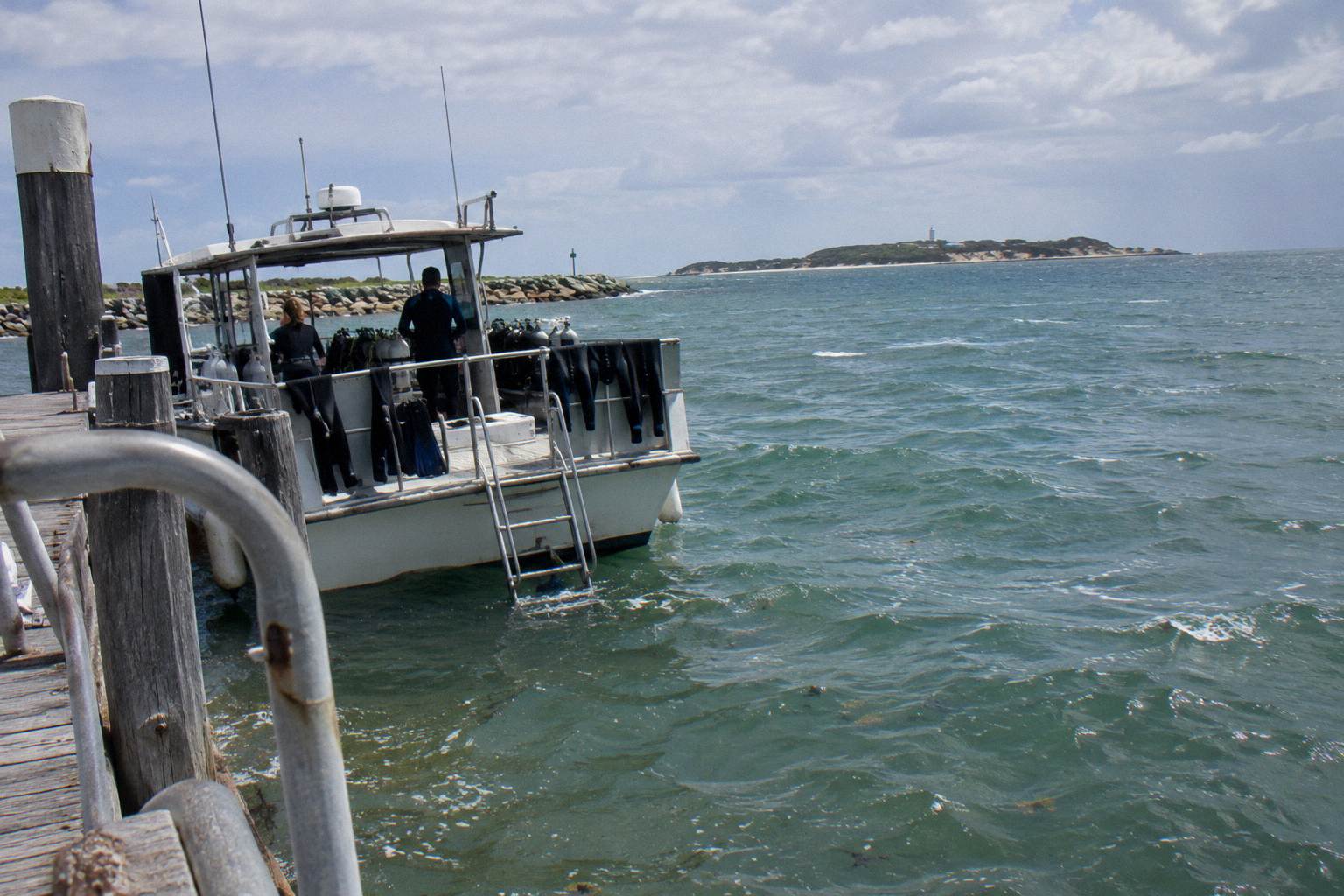
The Rockingham Wild Dolphin Swim leaves from Val Street Jetty in Rockingham, with the exact meeting point given in a booking confirmation, and is listed at from A$249.72 per person, rated 4.7 across about 685 reviews, with free cancellation up to 24 hours on the booking page. Once dolphins are located, the operator says, guests zip up wetsuits, put on mask and snorkel and move to the swim deck, and from there the boat stops being the story. The water is.
For a fuller picture of the whole day from jetty to jetty, read what happens across a full wild dolphin swim day; for the water itself, the operator's own swim page describes the scooter method in its own words at the Rockingham operator's swim page.
How The Water Groups Work On The Rockingham Swim
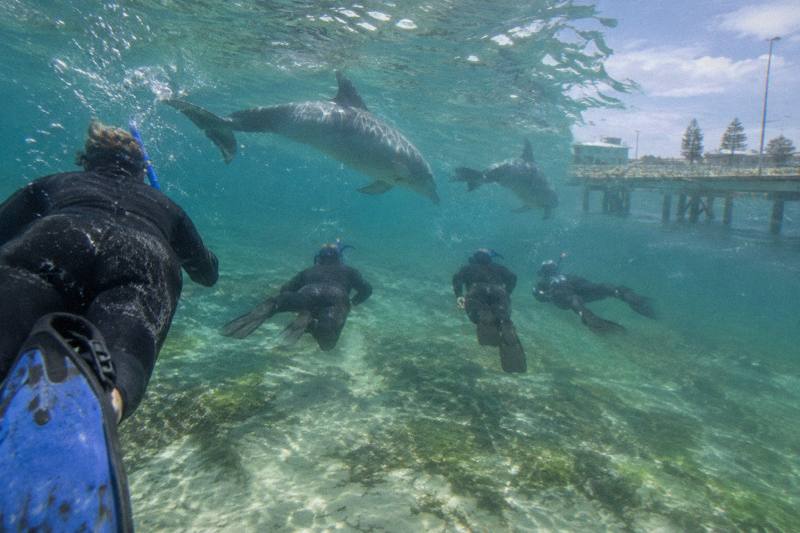
Entry to the water is in small groups of up to 7, each led by a guide on an aqua scooter who tows the group among the dolphins while guests hold the guide's belt and stay at the surface, the operator says. A second guide on a solo scooter loops and spins the dolphins close to the group. No total group cap for the cruise is stated beyond that per-group structure.
That number, 7, is the single most concrete fact about scale on the Rockingham trip, and it is worth sitting with. The operator's description is of a tow: guests hold a belt, a powered scooter pulls the line, and everyone remains at the surface rather than diving down. No previous snorkelling experience is required, the operator says, and nervous swimmers are accepted. The 4 mm full-length wetsuit is described as keeping a swimmer very buoyant, with an introductory snorkel lesson included before the water phase. Children's wetsuits come in small sizes, though the cruise is not recommended for children 6 years or younger, and the operator adds that if a child needs a buoyancy aid the cruise is not suitable.
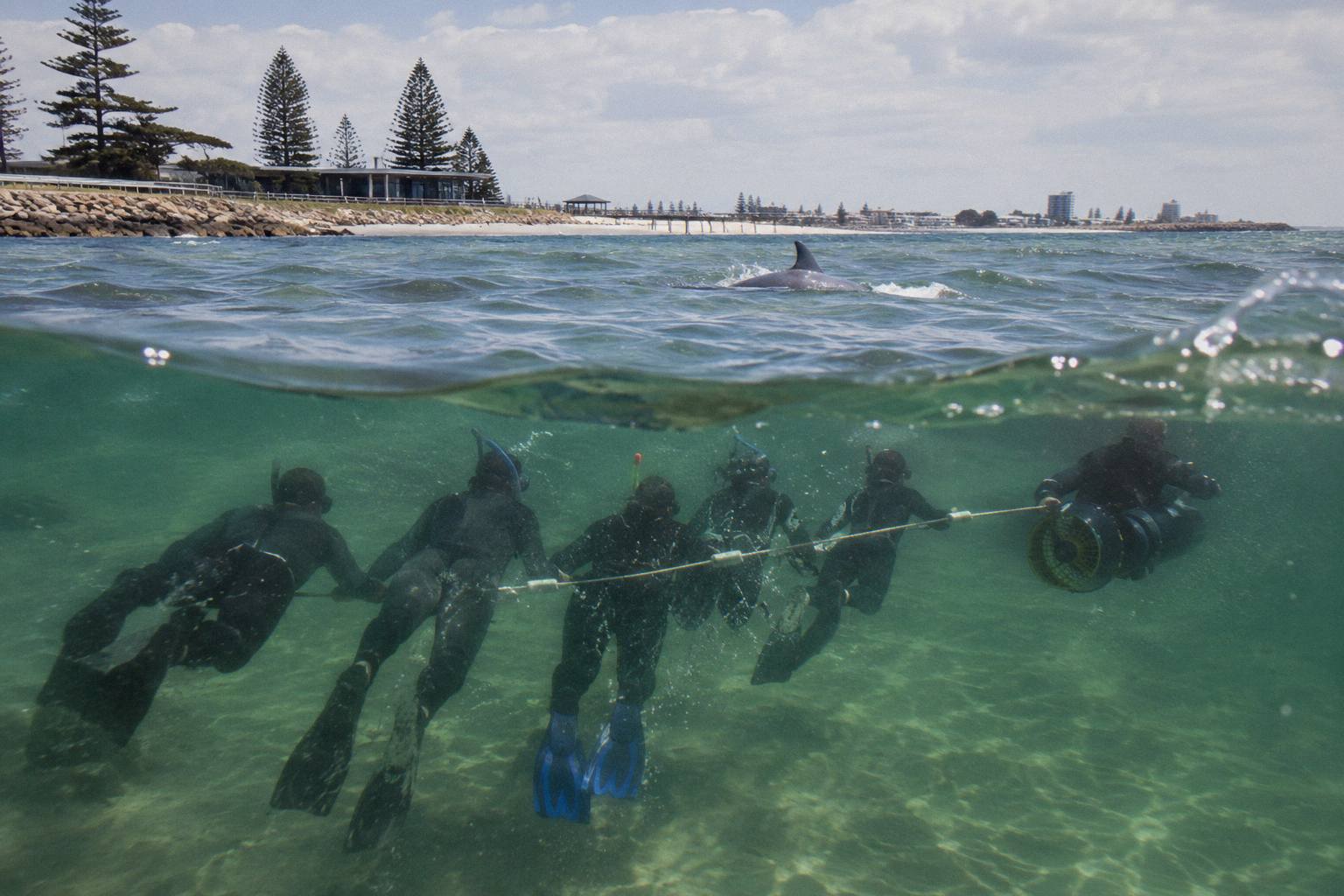
The format rewards a certain kind of swimmer. Because the group moves as a single line behind one guide, a swimmer never has to keep pace alone: the scooter sets the speed and the belt sets the distance between swimmers. The stated surface-only rule means no freediving toward the animals, which pairs with the state's own rules on obstruction and interference. The operator also films every swim and uploads the photos online, which removes the pressure to carry a camera through the tow line; a reader weighing that up can dig into the guide to taking your own camera on a dolphin swim.
Two crew details finish the picture. The crew wear Shark Shields, and the operator says people with pacemakers or who are pregnant must not use the device and should avoid swimming near anyone using one, a point worth raising with the operator when booking. And no touching and no feeding of the dolphins is permitted; under Western Australian regulations touching marine fauna carries a AUD 10,000 fine, and the 50 m in-water separation distance in the Biodiversity Conservation Regulations 2018 applies to unlicensed swimmers, while commercial swims operate under a separate authorisation.
Deciding between the small-group tow format and other ways to meet the same water? Rockingham Wild Dolphin Swim is the scooter-tow swim described above, and check availability shows live dates and options. If the tow sounds physically demanding, the page on whether non-swimmers and nervous swimmers can join a wild dolphin swim works through the operator's own wording on confidence in the water.
How The Bunbury Swim Sizes Its Groups And Crews Its Day
The Dolphin Discovery Centre runs a 4-hour guided swim in Koombana Bay with a minimum of 8 and a maximum of 20 swimmers, plus up to 4 observers, the operator states. Swimmers must be 8 or over, independent and confident, and children swimming must be accompanied by a swimming adult; confident swimmers 12 and over may swim without one. Non-swimmers sit on the boat.
Bunbury is the structurally different product. Where Rockingham's stated number is a tow-group size, Bunbury's stated numbers are a floor and a ceiling on total swimmers in the water: at least 8 for a departure to run, at most 20 in the water and 4 watching from the vessel. The operator describes itself as DBCA licensed and Advanced Eco-Tourism certified, runs daily at 7:45 am from November to April, and lists wetsuits, mask, snorkel, fins, a buoyancy vest if required, a snack and hot showers among what the day includes. The booking page adds wetsuits in all sizes, floating devices, fresh drinking water and a snack, a tea and coffee station at the Centre, changing rooms, storage and hot showers after. Its price is on the booking page rather than stated here, and it is rated 4.7 across 24 reviews, a small pool that should be read as exactly that.
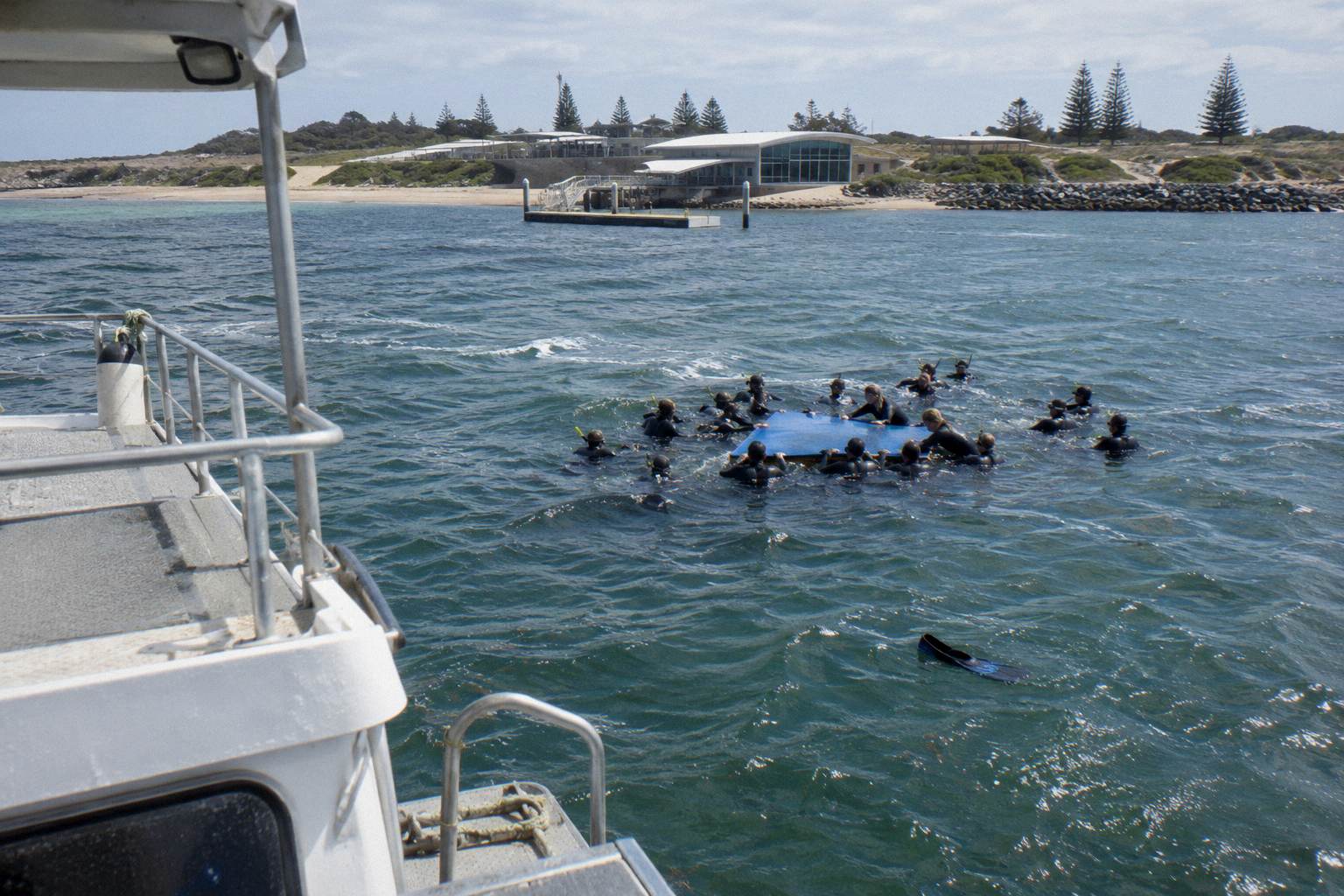
The minimum of 8 deserves attention at booking time. A departure needs at least 8 swimmers to run under the operator's stated structure, which is a different kind of uncertainty than a group cap: it is a floor, not a ceiling. Anyone booking the Bunbury Wild Dolphin Swim for a specific date should ask the operator how a shortfall is handled, because the stated terms describe the group range, not what happens below it.
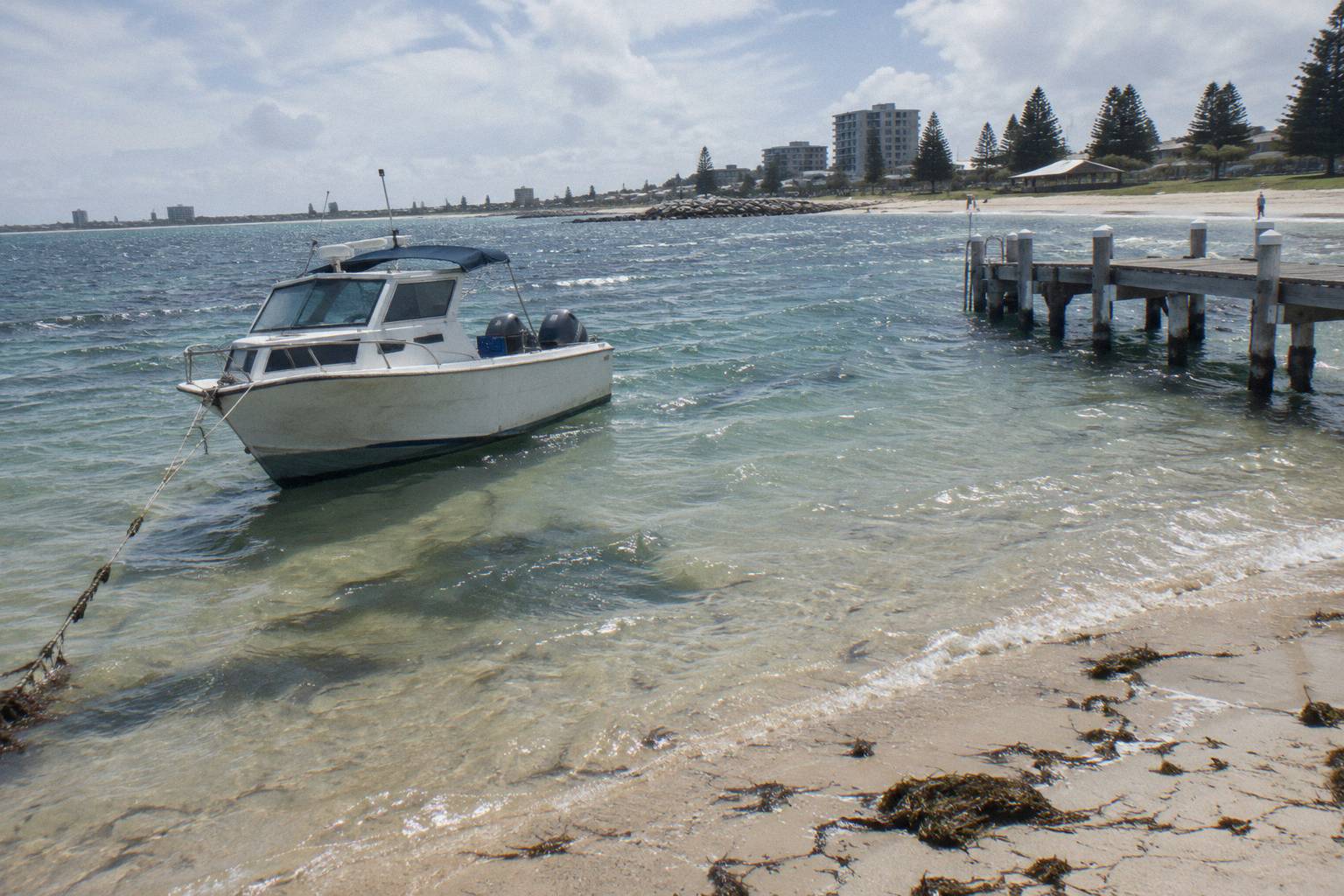
The Centre's own swim page sets out the swim at the Dolphin Discovery Centre's swim page, and its research pages describe the Koombana Bay dolphins it works with. Booking channels carry different terms and the distinction matters: for bookings made direct with the operator, the Centre states if no dolphins are sighted you go again free, with a full refund or reschedule up to 72 hours before and 100 percent charged inside 72 hours. The booking page itself says free cancellation up to 24 hours. Those are separate terms on separate channels, and neither extends to the other.
For a full side-by-side of the two swim products rather than just their group sizes, the comparison of the Rockingham and Bunbury wild dolphin swims covers season, structure and price. The Bunbury Wild Dolphin Swim sits in the band above, and a reader weighing 20 swimmers in a bay against 7 on a tow line has the whole decision in those two sentences.
What The Watching Cruise Boats Are Like
The SuperCat description is specific and it belongs to that one tour: a large open front, two decks and big windows, over 2 hours, with live commentary and a fourth giant sculpture seen from the water, from A$85 per person, rated 4.8 across 87 reviews, free cancellation up to 24 hours. A fish-and-chip lunch is not included but the operator can add it, and snacks and soft drinks can be bought on board or brought aboard. The Mandurah Dolphin Cruise, from A$47 per person and rated 4.5 across 1,090 reviews over 75 minutes, is described through its commentary, its guided spotting and its free parking near the departure point at Mandurah Terrace, not through its hull; hotel pickup and drop-off are not included. The Penguin Island And Dolphin Cruise, about 1 hour 30 minutes and meeting at the operator base at 153 Arcadia Drive, Shoalwater, states no price, rating, cancellation term or vessel detail.
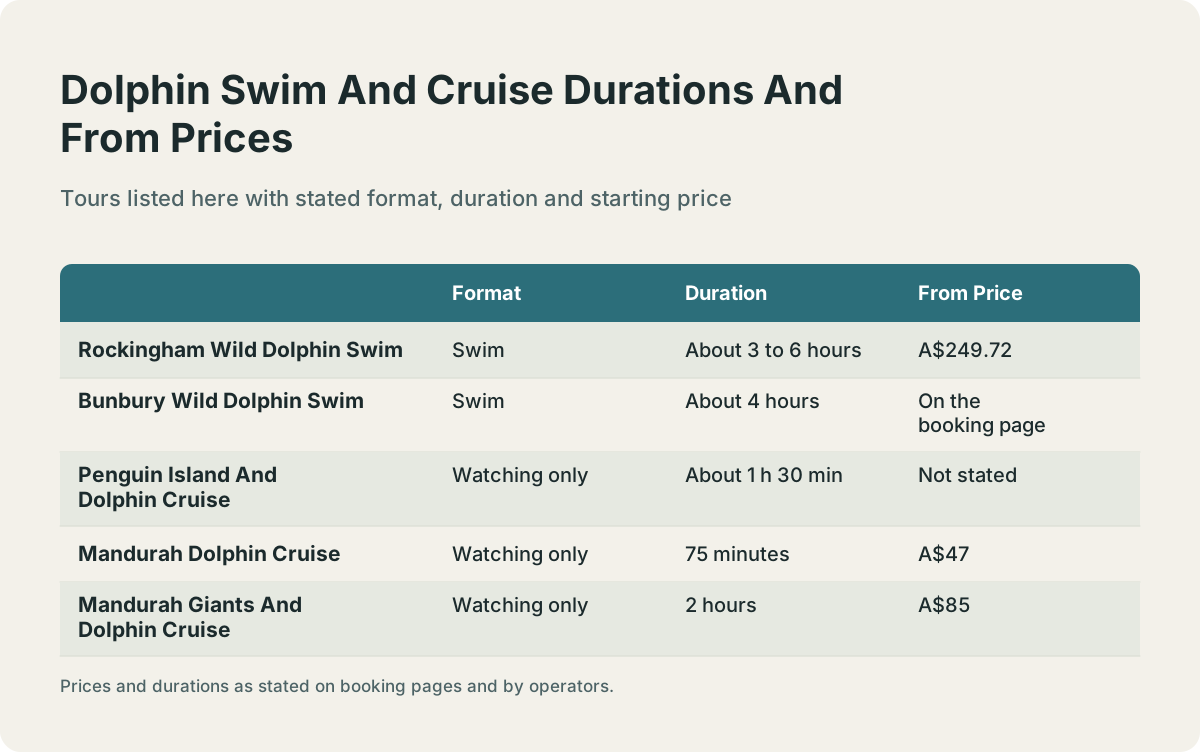
| Tour | Format | Vessel description | Duration | From price |
|---|---|---|---|---|
| Rockingham Wild Dolphin Swim | Swim | Not stated | About 3 to 6 hours | A$249.72 |
| Bunbury Wild Dolphin Swim | Swim | Not stated | About 4 hours | On the booking page |
| Penguin Island And Dolphin Cruise | Watching only | Not stated | About 1 h 30 min | Not stated |
| Mandurah Dolphin Cruise | Watching only | Not stated | 75 minutes | A$47 |
| Mandurah Giants And Dolphin Cruise | Watching only | SuperCat, open front, two decks | 2 hours | A$85 |
That table is the shape of the evidence: one described hull among five products, four silences, and a set of stated durations and prices that carry the comparison instead. A reader who wants to know the boat before stepping aboard has exactly one option with a published shape and four conversations to have with operators or booking pages.
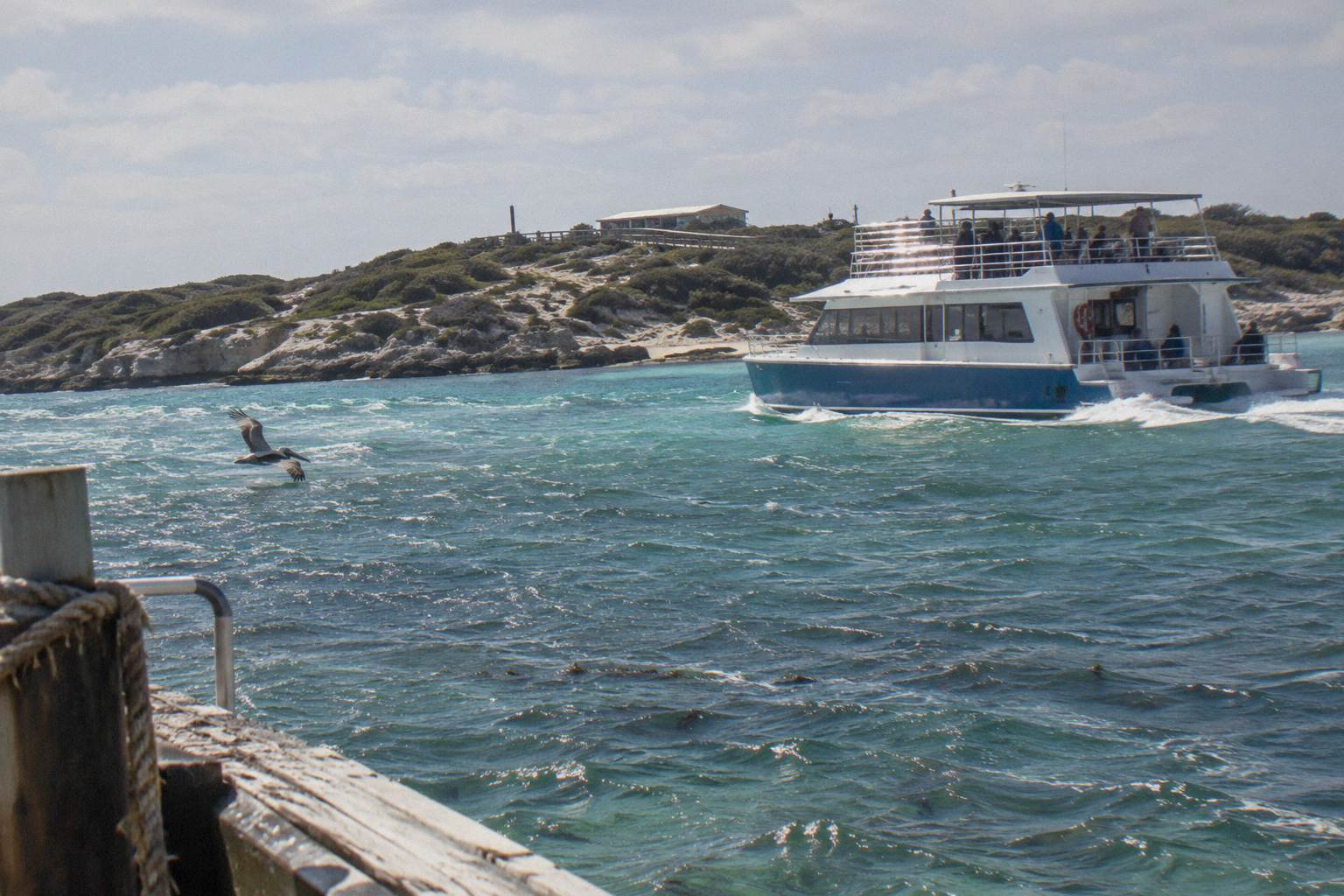
A reader choosing between watching and swimming should start from the guide comparing a wild dolphin swim with a dolphin watching cruise, then weigh the vessel facts each way. The Shoalwater departure point for the Penguin Island cruise sits inside the area described by the parks service at the Shoalwater Islands Marine Park page, which covers the park's wildlife cruises and its sea lion colony on Seal Island.
The Mandurah Giants And Dolphin Cruise suits a reader who wants the described deck layout, two hours on the water and a come-again term if no dolphins are sighted, all stated on its booking page. Its SuperCat is the one vessel on this route with a published shape, and that is the whole reason it earns its own paragraph here.
Who Watches From The Boat And Who Stays Aboard
The spectator question comes up in families and mixed groups constantly, so the stated terms deserve their own space. On the Rockingham side, the operator's spectator option lets a non-swimming partner or a careful watcher ride along without entering the water, price on request. The supervision rules are strict in the operator's wording: parents are responsible for supervising their children in the water, staff do not supervise children, and children are not left on board unsupervised. For younger children, the post on whether under-7s can watch a dolphin swim from the boat and the guide to how old kids need to be to swim with dolphins cover the age rules tour by tour.
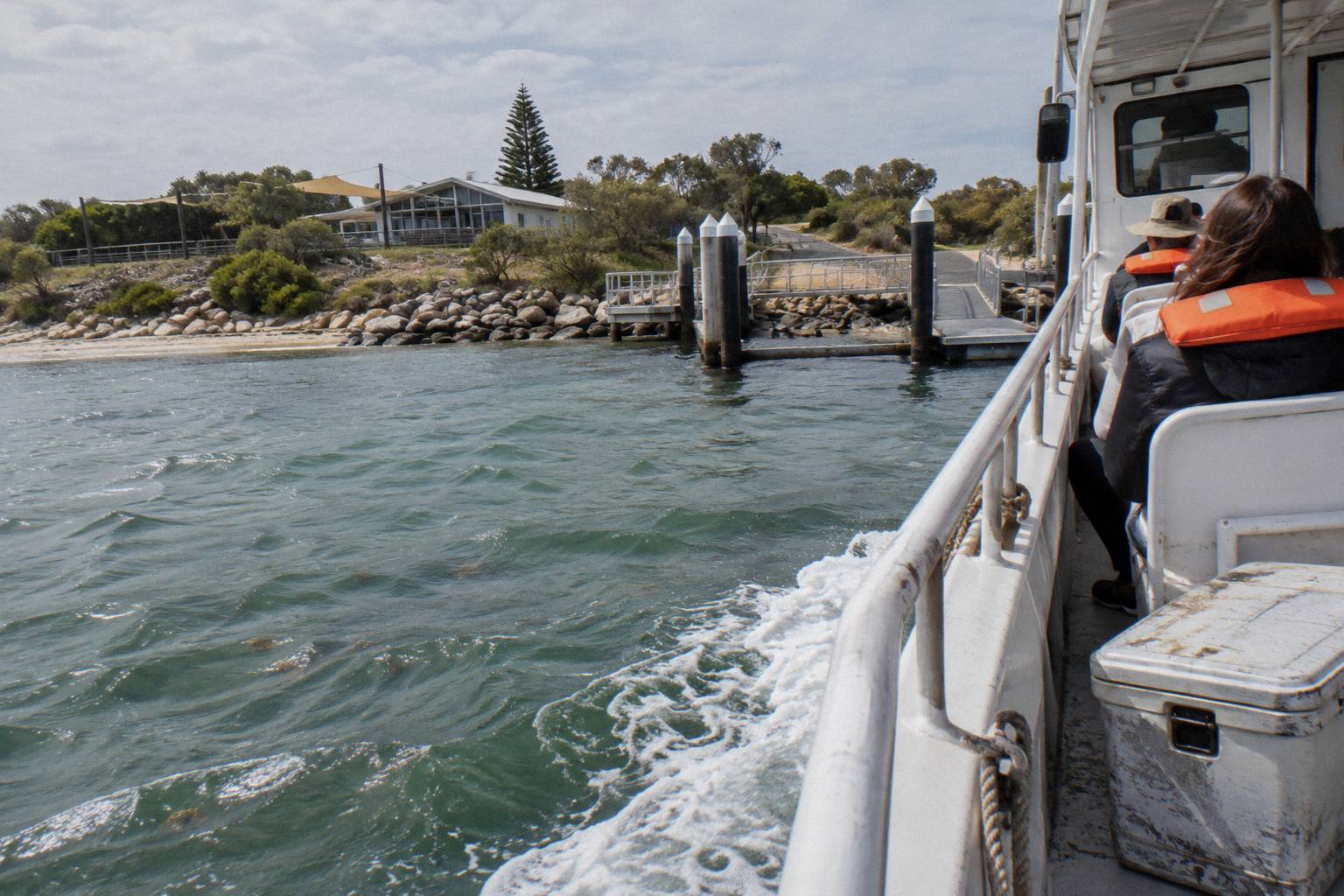
At Bunbury the observer slot is built into the group structure, capped at 4, and the operator's direct terms state that non-swimmers who book as swimmers sit on the boat with no refund, a sharp edge worth knowing at the moment of booking rather than after. The Mandurah Dolphin Cruise booking page adds a mobility condition of its own: guests must be able to move around the vessel independently and safely, including boarding and steps and staying seated in small waves without crew help. For anyone in a group with access needs, the guide to whether people with limited mobility can join a dolphin swim collects those stated conditions in one place.
The Mandurah Dolphin Cruise is the short, low-commitment option in that frame: 75 minutes, from A$47, free parking nearby and a return-free term described on its booking page if no dolphins are sighted. For a mixed group deciding who swims and who watches, it removes the question entirely: everyone watches.
What To Ask An Operator Before Booking A Dolphin Boat Day
Ask five things, all drawn from the gaps the sources leave open: the vessel's name, capacity and facilities; the total number of swimmers aboard, not just the per-group figure; what food and drink is available; the exact meeting time; and which booking channel's cancellation and come-again terms apply to the ticket being bought. No operator states all five, so each answer has to come from the operator or the booking page directly.
None of these questions is rhetorical. The vessel details are unstated for both swims, the total swimmer count at Rockingham is unstated beyond the 7-per-group structure, food on the Rockingham swim is not stated, clock times appear only on the booking confirmation, and the two Bunbury channels carry genuinely different cancellation terms. A checklist built from those gaps is the fastest way to turn a thin official description into a confident booking.
| Ask about | Why it matters | Where the answer stands |
|---|---|---|
| Vessel name, capacity, decks, toilets | No swim operator states any of these | Ask the operator |
| Total swimmers aboard | Rockingham states only up to 7 per scooter group | Ask the operator |
| Food and drink on board | Not stated for the Rockingham swim; a snack stated for Bunbury | Ask the operator |
| Meeting time and point | Val Street Jetty for Rockingham; exact time on the confirmation | Booking confirmation |
| Cancellation and come-again terms | Different per operator and per booking channel | Operator terms page and booking page |
| Shark Shield proximity | Relevant for pacemaker or pregnancy, operator wording | Raise when booking |
A few traveller types make the checklist concrete. A nervous swimmer should quote the operator's own lines back when booking: no previous snorkelling experience is required, nervous swimmers are accepted, and the wetsuit is described as very buoyant; the wetsuit and water temperature guide covers the gear side. A family with a confident 8-year-old fits the stated Bunbury rule exactly, child accompanied by a swimming adult, and should confirm the adult-to-child ratio when booking. A non-swimmer in a group has three paths: the Rockingham spectator option, a Bunbury observer slot, or a watching cruise. Someone torn between a 3-to-6-hour swim cruise and a 75-minute watching cruise is really choosing between a day commitment and an outing, and the guide to how far ahead to book a wild dolphin swim helps with the timing half of that choice.
One more question belongs on the list for readers who care about the animals: both swim operators frame their work around guided wild interaction, and the species in these waters is the Indo-Pacific bottlenose dolphin, Tursiops aduncus, per Murdoch University's research on Perth's distinct dolphin communities. The ethics questions are covered properly in the guide to whether swimming with wild dolphins is ethical.
The Bunbury Wild Dolphin Swim is the product where the stated group ceiling does the deciding: 20 swimmers maximum in Koombana Bay, a 7:45 am start and a 4-hour window, with the price on the booking page. Anyone whose checklist turns on total bodies in the water rather than tow-group size has their answer there.
Common Mistakes When Planning A Dolphin Boat Day
The recurring mistakes are all assumptions: picturing a specific boat no operator has described, reading one tour's group cap as another's, expecting a refund where only a come-again term exists, and treating a watching cruise as a swim. Each trip's stated numbers and terms attach to that trip alone, and the booking page and the operator's direct terms are two different channels with two different rulebooks.
The vessel assumption comes first. People book the Rockingham swim picturing a particular boat, arrive at Val Street Jetty, and the day is organised around the scooter groups and the swim deck rather than around any described hull. Nothing is missing from the experience; something was missing from the assumption.
The cross-tour bleed is next. The up-to-7 figure is the Rockingham water-group structure; the 8-to-20 range is Bunbury's swimmer count; the SuperCat is the Mandurah Giants tour's vessel. None of those travels. The same discipline applies to terms: Perth Wildlife Encounters' come-again-free wording is its own, for bookings made direct with the operator, rebooked within the season; the Dolphin Discovery Centre's go-again-free term is its own, on the same direct-booking basis; the Mandurah cruises' return-free wording is on their booking pages. The booking pages for four of the five tours show free cancellation up to 24 hours, the Penguin Island cruise states none, and an operator's direct terms never become the terms of a booking-page ticket.
Common Questions About Dolphin Swim Boats And Groups
What Is The Boat Like On The Rockingham Dolphin Swim?
Not stated. The operator describes its fleet on its own about page without naming the vessel used for the swim cruise. What is stated is the structure: a departure from Val Street Jetty, a swim deck once dolphins are located, and water entry in groups of up to 7, each towed by a guide on an aqua scooter.
How Many People Swim At Once At Rockingham?
Up to 7 per scooter-led group, the operator says, each group towed by a guide while guests hold the guide's belt and stay at the surface. No total swimmer cap for the cruise is stated beyond that per-group structure; ask the operator.
How Many Swimmers Are In The Water At Bunbury?
The Dolphin Discovery Centre states a minimum of 8 and a maximum of 20 swimmers, plus up to 4 observers, over about 4 hours in Koombana Bay. Children swimming must be 8 or over and accompanied by a swimming adult.
Can You Watch From The Boat Instead Of Swimming?
Yes, on stated terms. The Rockingham operator says a spectator option exists, price not stated. Bunbury caps observers at 4, and non-swimmers who hold swim bookings sit on the boat under the operator's direct terms. The three watching cruises are boat-only by design.
Which Cruise Has A Described Vessel?
The Mandurah Giants And Dolphin Cruise, a 2-hour trip from A$85 per person. Its booking page describes a SuperCat with a large open front, upper and lower decks and large windows. No other tour covered here states a vessel description.
Do The Swim Boats Have A Finish Time?
The Rockingham cruise has no fixed finish time, the operator says, so the crew can keep searching; its booking page lists about 3 to 6 hours depending on sightings. The Bunbury swim is about 4 hours with a 7:45 am start stated by the operator.
Whatever the boat turns out to look like, the numbers that survive the booking are the ones stated here, and Rockingham Swim With Dolphins keeps them current in the tour pages behind every link on the page.